7 Essential Tips to Speed Up Your Dental Implant Surgery Recovery Like a Pro

webmaster

임플란트 수술 과정과 회복 기간 - A detailed dental clinic scene showing a dentist and patient during the initial implant assessment, ...

Getting a dental implant can feel like a big step, but understanding the process makes it much less daunting. From the initial consultation to the actual surgery and recovery, each phase plays a vital role in achieving a healthy, long-lasting smile.

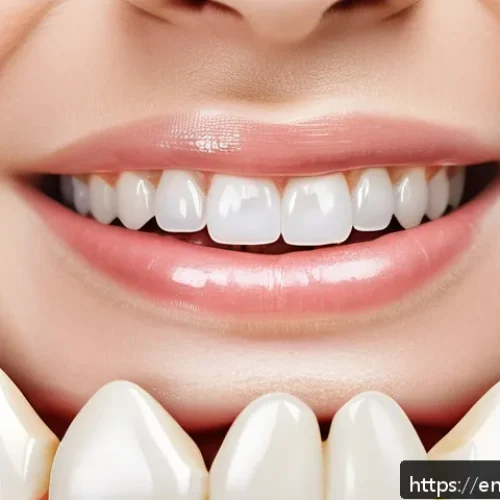
임플란트 수술 과정과 회복 기간 관련 이미지 1

Many people wonder how long the healing takes and what to expect during this journey. Having gone through it myself, I can say that knowing the timeline and care tips really eases the experience.

If you’re curious about how implants work and want to get the full picture, stick around. Let’s dive into the details and get you confidently informed!

Understanding What Happens Before the Implant Procedure

Initial Assessment and Planning

Before any drilling or surgery takes place, your dentist or oral surgeon will conduct a thorough examination. This often includes X-rays or 3D imaging to evaluate the condition of your jawbone and surrounding teeth.

It’s not just about deciding where the implant will go; the goal is to ensure you have enough bone density to support it. If the bone is too thin or weak, additional procedures like bone grafting might be necessary.

From my experience, this step is crucial because it sets the foundation for everything that follows and helps avoid surprises during surgery.

Pre-Surgical Preparations and Expectations

Once the plan is in place, your dentist will discuss what to expect on the day of the procedure. This includes instructions on fasting if sedation is planned and advice on medications you might need to pause or take before surgery.

I found that knowing these details ahead of time really reduced my anxiety. It’s also a good moment to ask about pain management options and recovery timelines so you feel fully prepared.

The Role of Customized Implants and Temporary Solutions

In many cases, the implant itself is custom-made based on impressions or scans taken during your initial visits. While the permanent crown might take weeks to fabricate, temporary crowns or bridges can keep your smile looking natural in the meantime.

When I had mine done, having a temporary tooth gave me confidence and comfort while waiting for the final restoration.

Advertisement

What to Expect During the Implant Surgery

The Surgical Procedure Step-by-Step

On surgery day, you’ll be given anesthesia or sedation to keep you comfortable. The surgeon will then make a small incision in your gum to expose the jawbone.

After that, a precise hole is drilled to place the titanium implant post. This post acts like a tooth root, anchoring the future crown. The entire procedure usually takes about one to two hours depending on how many implants are being placed.

I remember feeling some pressure but no sharp pain thanks to the numbing agents, which made the experience much easier than I anticipated.

Immediate Aftercare Instructions

Right after surgery, you’ll get detailed instructions on how to care for the site. This typically includes avoiding hot foods, not using straws, and sticking to soft foods for a few days.

I was told to keep my head elevated to reduce swelling and to rinse gently with salt water after 24 hours. Following these tips closely helped me heal faster and avoid complications like infections or dry sockets.

Signs to Watch for and When to Contact Your Dentist

While some swelling and mild discomfort are normal, severe pain, excessive bleeding, or signs of infection like pus or fever should prompt a call to your dentist.

When I experienced unusual swelling a few days post-op, I contacted my surgeon immediately, which led to a quick solution and prevented further issues.

Knowing what’s normal and what’s not can save you a lot of stress.

Advertisement

Healing and Osseointegration: The Waiting Game

How Long Does Osseointegration Take?

One of the most important phases after implant placement is osseointegration—the process where the bone grows around and fuses with the implant. This can take anywhere from 3 to 6 months depending on individual health, bone quality, and whether additional procedures were done.

I was surprised by how patient you need to be during this phase because the implant itself feels stable, but your body is still doing the crucial work behind the scenes.

Maintaining Oral Hygiene During Healing

Keeping the area clean without disturbing the implant site is essential. I found that gently brushing nearby teeth and using antimicrobial mouth rinses as recommended helped prevent plaque buildup.

Avoiding smoking or alcohol during this period also played a big role in speeding up my healing. It’s a balancing act between being careful and proactive with your oral care.

Follow-Up Visits and Monitoring Progress

Regular check-ups allow your dentist to monitor bone integration and ensure there are no complications. These visits might involve X-rays or physical exams of the implant site.

Personally, these appointments gave me reassurance and a chance to ask questions about my progress or any discomfort I felt. Staying engaged with your dental team is key to a successful outcome.

Advertisement

Final Steps: Placing the Abutment and Crown

What the Abutment Does

Once osseointegration is complete, the next step is attaching the abutment—a small connector piece that links the implant post to the crown. This minor procedure may require a small incision to expose the implant if it was covered by gum tissue.

When I went through this stage, I noticed mild soreness, but it was a sign that the process was moving forward nicely.

Designing and Installing the Permanent Crown

The permanent crown is custom-made to match your natural teeth in color, shape, and size. The dental lab will use impressions or digital scans to create a precise fit.

Once ready, the crown is either cemented or screwed onto the abutment. The moment I saw my new crown in place, it felt like my smile was finally complete—it looked and felt natural, which was incredibly rewarding.

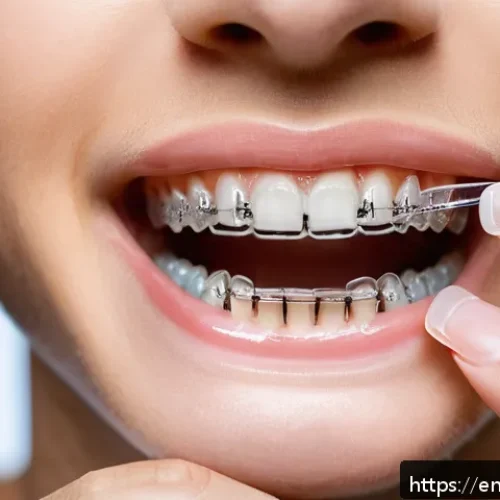
임플란트 수술 과정과 회복 기간 관련 이미지 2

Adjusting to Your New Tooth

It might take a few days to get used to the feel of the new crown, especially when chewing or speaking. I found that starting with soft foods and gradually returning to normal eating helped me adapt.

If you experience any persistent discomfort or bite issues, your dentist can make adjustments to ensure comfort and function.

Advertisement

Managing Discomfort and Supporting Recovery

Common Post-Operative Symptoms

After each stage of the implant process, it’s normal to experience some swelling, bruising, or tenderness around the site. I noticed that these symptoms usually peaked within the first 48 hours and then gradually subsided.

Over-the-counter pain relievers or prescribed medications can effectively manage any discomfort. Ice packs applied intermittently also helped me reduce swelling significantly.

Nutrition and Lifestyle Tips for Faster Healing

Eating nutrient-rich foods like leafy greens, lean proteins, and plenty of water supports your body’s healing efforts. Avoiding hard, crunchy, or sticky foods is important to protect the implant area.

I also learned that quitting smoking and limiting alcohol intake dramatically improved my recovery speed and overall oral health.

When to Resume Normal Activities

Most people can return to work or school within a couple of days after implant surgery, depending on the complexity of the procedure and individual healing.

I personally took it easy for about a week, avoiding strenuous exercise and heavy lifting. Your dentist will give you personalized advice, but listening to your body and not rushing recovery can prevent setbacks.

Advertisement

Long-Term Care and Maintaining Your Implant

Daily Hygiene Practices

Treat your implant like a natural tooth—brushing twice a day and flossing are essential. I found using interdental brushes or water flossers particularly helpful for cleaning around the implant where regular floss might be tricky.

Consistency in oral hygiene prevents gum disease and ensures your implant lasts for many years.

Regular Dental Check-Ups and Professional Cleanings

Scheduling professional cleanings every 6 months helps keep the implant and surrounding gums healthy. Your dental hygienist can remove plaque and tartar buildup that you might miss at home.

These visits also allow early detection of any issues, such as inflammation or bone loss, so they can be addressed promptly.

Signs Your Implant Needs Attention

Although implants are designed to be durable, they can still face problems like peri-implantitis (gum infection) or mechanical issues. If you notice persistent pain, mobility in the implant, or gum swelling, it’s important to see your dentist immediately.

In my experience, early intervention can save the implant and avoid more complex treatments.

Phase Typical Duration Key Activities Tips for Success
Pre-Surgery 1-3 weeks Assessment, imaging, planning Ask questions, follow prep instructions
Surgery Day 1-2 hours Implant placement Stay relaxed, follow immediate aftercare
Healing & Osseointegration 3-6 months Bone fusion with implant Maintain hygiene, avoid smoking
Abutment & Crown Placement 2-4 weeks Attach abutment, fit crown Communicate discomfort, adapt diet
Long-Term Care Lifetime Daily cleaning, regular check-ups Stay consistent, monitor changes
Advertisement

Conclusion

Getting a dental implant is a journey that requires patience, preparation, and care. From the initial assessment to the final crown placement, each step plays a vital role in ensuring a successful and lasting result. Understanding the process and following your dentist’s guidance can make the experience smoother and more comfortable. Ultimately, a well-maintained implant can restore both function and confidence in your smile for years to come.

Advertisement

Useful Tips to Remember

1. Always follow pre-surgery instructions carefully to minimize complications and ease the procedure day.

2. Maintain excellent oral hygiene during healing to support osseointegration and prevent infections.

3. Use temporary crowns or bridges to keep your appearance natural while waiting for the permanent restoration.

4. Watch for unusual symptoms like severe pain or swelling and contact your dentist promptly if they occur.

5. Commit to regular dental check-ups and cleanings to protect your implant and overall oral health long-term.

Advertisement

Key Takeaways

Dental implant treatment is a multi-phase process that demands careful planning and patient cooperation. Success hinges on thorough assessments, proper surgical techniques, and diligent aftercare. Healing times vary, so patience is essential during bone integration. Long-term implant health depends on consistent hygiene and professional monitoring. Promptly addressing any issues can prevent complications and preserve your investment in a healthy, natural-looking smile.

Frequently Asked Questions (FAQ) 📖

Q: How long does it typically take to heal after getting a dental implant?

A: Healing times can vary, but generally, the initial recovery phase after implant surgery takes about 1 to 2 weeks. During this time, swelling and discomfort usually subside.
However, the complete healing process, where the implant fuses securely with the jawbone—a process called osseointegration—can take anywhere from 3 to 6 months.
From my experience, being patient and following your dentist’s care instructions closely really helps speed things along and reduces complications.

Q: What should I expect during the dental implant surgery and recovery?

A: The surgery itself is typically straightforward and done under local anesthesia, so you won’t feel pain during the procedure. Afterward, you might experience some swelling, bruising, and mild pain, which can be managed with prescribed medications and ice packs.
Eating soft foods and avoiding strenuous activity for a few days are crucial. Personally, I found that sticking to a soft diet and keeping the surgical site clean with gentle rinses made recovery smoother and less stressful.

Q: Are there any tips to ensure the success of a dental implant?

A: Absolutely! First, maintaining excellent oral hygiene is key—brushing gently around the implant and avoiding smoking can significantly improve healing outcomes.
Regular dental check-ups allow your dentist to monitor the implant’s integration and catch any issues early. From what I’ve learned and experienced, being mindful about diet, avoiding excessive pressure on the implant site, and following all post-op instructions can make a huge difference in long-term success.

📚 References


➤ Link

– Google Search

➤ Link

– Bing Search

➤ Link

– Google Search

➤ Link

– Bing Search

➤ Link

– Google Search

➤ Link

– Bing Search

➤ Link

– Google Search

➤ Link

– Bing Search

➤ Link

– Google Search

➤ Link

– Bing Search

➤ Link

– Google Search

➤ Link

– Bing Search

➤ Link

– Google Search

➤ Link

– Bing Search
Advertisement