Keeping your smile flawless goes beyond just wearing braces—retainers play a crucial role in maintaining those perfect results. With new advancements in orthodontics and a growing variety of retainer options, it’s easier than ever to find one that fits your lifestyle.

Lately, more people are focusing on proper retainer care to avoid common pitfalls that can lead to costly adjustments. If you’ve recently finished orthodontic treatment or are curious about how to protect your investment, understanding the types of retainers and the best care practices is key.
Let’s dive into everything you need to know to keep your smile shining bright for years to come.
Exploring Different Retainer Styles: What Works Best for You?
Removable vs. Fixed Retainers: Understanding the Basics
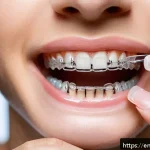
When it comes to retainers, the two primary categories are removable and fixed. Removable retainers, like the popular clear plastic types, offer the convenience of taking them out when eating or cleaning your teeth.
This flexibility often appeals to people who want to maintain their oral hygiene more easily. On the other hand, fixed retainers are bonded to the back of your teeth, ensuring constant retention without the risk of forgetting to wear them.
However, they require more meticulous cleaning and regular dental check-ups to avoid plaque buildup. From my experience, choosing between these two depends heavily on your lifestyle and commitment to retainer care.
If you’re someone who’s always on the go, a fixed retainer might save you from the hassle of remembering to wear and store it properly. But if you prefer something less permanent, a removable retainer offers great freedom with proper discipline.
Clear Plastic Retainers: The Invisible Ally
Clear plastic retainers, often called Essix retainers, are a favorite among those who want their retainers to be as discreet as possible. These retainers are custom-molded to fit snugly over your teeth and are nearly invisible when worn.
The aesthetic advantage is undeniable, especially for adults and teens conscious about their appearance post-braces. However, these retainers are not indestructible; they can warp if exposed to heat or become scratched over time, which affects their effectiveness.
I’ve noticed that people tend to underestimate the importance of gentle handling with these retainers, leading to premature replacements. Proper storage in a cool, protective case and avoiding hot water during cleaning are simple yet essential habits to prolong their life.
Hawley Retainers: The Classic Choice with a Twist
Hawley retainers are the traditional wire-and-acrylic type that many orthodontists have used for decades. They stand out because of their durability and the ability to adjust the wire if minor tooth movement occurs after braces.
Unlike clear retainers, Hawleys are more noticeable, but they offer excellent airflow to your teeth and gums, reducing the risk of irritation. A cool feature I appreciate about these retainers is that if you chip or crack the acrylic base, it can often be repaired, extending the retainer’s lifespan.
That said, they require some getting used to, as the wire across the front teeth might feel bulky initially. For those willing to trade invisibility for longevity and adjustability, Hawley retainers are a solid option.
Mastering Retainer Hygiene: Tips That Actually Work
Daily Cleaning Rituals to Keep Your Retainer Fresh
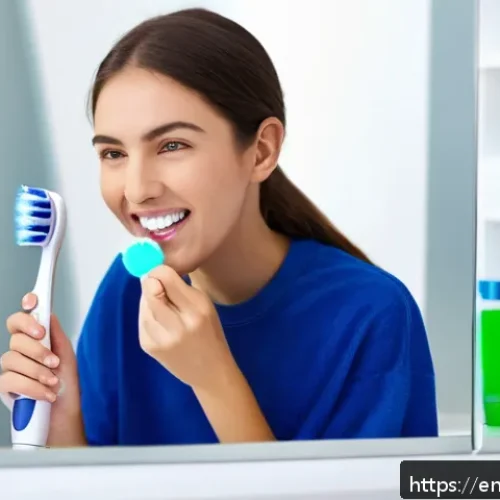
Cleaning your retainer daily is non-negotiable if you want to avoid bad odors, stains, or bacterial buildup. I’ve found that rinsing your retainer with lukewarm water every time you remove it is a simple yet effective habit.
Beyond that, gently brushing your retainer with a soft toothbrush and mild, non-abrasive toothpaste helps keep it spotless without causing scratches. Avoid using hot water or harsh chemicals like bleach, which can deform the plastic or damage metal parts.
For a deeper clean, soaking the retainer in a specialized retainer cleaner or a mixture of vinegar and water once or twice a week works wonders. This routine not only preserves your retainer’s clarity but also protects your oral health.
Handling and Storage: Avoiding Common Mistakes
One of the most common retainer mishaps I’ve seen is improper storage leading to damage or loss. Always keep your retainer in its case when not in use; leaving it out exposes it to germs, pets, or accidental crushing.
A dedicated retainer case with ventilation holes is ideal because it prevents moisture buildup that could encourage bacterial growth. Also, avoid wrapping your retainer in tissue or napkins, as it’s easy to throw away by accident.
When traveling, carrying a small, protective case ensures your retainer stays safe and clean on the go. These simple precautions have saved me from costly replacements more than once.
When to Replace or Repair Your Retainer
Retainers are not forever, and knowing when to replace or repair them is crucial. Signs like cracks, warping, persistent bad odor, or discomfort are red flags.
From personal experience, ignoring these signs only leads to teeth shifting and a need for further orthodontic treatment, which can be expensive and time-consuming.
Regular visits to your orthodontist or dentist help catch these issues early. Some retainers, especially Hawley types, can be repaired easily, but clear plastic retainers usually require full replacement if damaged.
Keeping a backup retainer is a smart move, especially for those who’ve invested heavily in their smile.
Understanding the Impact of Retainer Wear on Long-Term Results
The Role of Consistency in Retainer Use
Wearing your retainer consistently is the cornerstone of maintaining the results achieved after braces. Initially, orthodontists often recommend wearing retainers full-time for several months, gradually reducing to nighttime-only wear.
From what I’ve observed, patients who slack off early on tend to experience noticeable shifting within a few months, undoing all their hard work. It’s not just about wearing the retainer but doing so exactly as prescribed.
The teeth are still settling in their new positions, and even small gaps or misalignments can develop if the retainer is neglected. Sticking to the schedule might seem tedious, but it’s the difference between a flawless smile and costly retreatment.
Nighttime Retainer Use: Why It Still Matters
Even after the initial phase, wearing your retainer at night remains essential. Teeth have a natural tendency to drift over time, especially with age and changes in jaw structure.
Nighttime wear acts as a gentle reminder to keep everything in place. I’ve talked to many who stopped wearing their retainers altogether, only to regret it years later when they noticed crowding or gaps reappearing.
The good news is that wearing retainers at night is minimally invasive and quickly becomes a habit. Plus, modern retainers are designed to be comfortable enough that you barely notice them while sleeping.
Long-Term Maintenance: Planning for the Future
Thinking about retainer wear as a lifelong commitment helps frame its importance. Orthodontists often stress that retention isn’t just a phase but an ongoing responsibility.
Teeth can shift subtly over decades, so having a plan for regular retainer use and dental check-ups is wise. Some people transition to wearing their retainer only a few nights a week after years of consistent use, but this should always be guided by professional advice.
Personally, I’ve found that staying vigilant about retainer care and wear habits means fewer surprises and continued confidence in my smile’s appearance.
Choosing the Right Retainer Care Products
Cleaning Solutions: What Really Works?
With so many retainer cleaning products on the market, it’s easy to feel overwhelmed. Some people swear by commercial effervescent tablets designed specifically for orthodontic appliances.
These are convenient and effective at breaking down plaque and odors without damaging the retainer. Others prefer natural solutions like diluted white vinegar or baking soda, which can be gentler and less expensive.
I’ve tried both and noticed that alternating between them keeps my retainer fresh without overexposure to chemicals. Just remember to rinse thoroughly after soaking to avoid any unpleasant taste or residue.
Tools That Make Retainer Care Easier
Investing in the right tools can simplify your retainer maintenance routine. A soft-bristled brush dedicated solely to cleaning your retainer helps prevent cross-contamination with your toothbrush used for teeth.
There are also specialized ultrasonic cleaners available that use sound waves to remove debris effectively, though these tend to be pricier. For storage, cases with antimicrobial properties or built-in ventilation provide added protection.

I recommend testing a few options to find what fits your daily habits, as ease of use often determines how consistent you’ll be with cleaning.
What to Avoid to Protect Your Retainer
Some common mistakes can unintentionally damage your retainer. Avoid using toothpaste with whitening agents or abrasive particles, as these can scratch the surface, making the retainer cloudy and less effective.
Never soak your retainer in mouthwash containing alcohol; it can degrade the plastic. Also, steer clear of using hot water, which can warp the retainer’s shape.
Lastly, don’t expose your retainer to direct sunlight or leave it in a hot car, especially during summer months. These simple precautions have saved me from needing replacements more often than I care to admit.
Comparing Retainer Types: Features and Maintenance at a Glance
| Retainer Type | Appearance | Comfort Level | Maintenance | Durability | Cost Consideration |
|---|---|---|---|---|---|
| Clear Plastic (Essix) | Nearly invisible | High, but can feel tight | Daily gentle brushing, avoid heat | Moderate; prone to warping and scratches | Moderate; replacement every 1-2 years |
| Hawley | Visible wire and acrylic | Moderate; initial bulkiness | Regular brushing, can be repaired | High; durable with repairs possible | Moderate to high; lasts several years |
| Fixed (Bonded) | Invisible from front | High; no removal needed | Requires floss threader and regular dental visits | Very high; permanent unless removed | Higher upfront cost; fewer replacements |
Common Retainer Troubles and How to Fix Them
Dealing with Discomfort and Soreness
It’s normal to experience some discomfort when you first start wearing a retainer, but persistent pain shouldn’t be ignored. From my own journey, I learned that soreness usually eases within a few days as your mouth adjusts.
If it doesn’t, small adjustments by your orthodontist can relieve pressure points. Sometimes, rough edges or sharp wires cause irritation, which can be smoothed out professionally.
Using orthodontic wax temporarily helps reduce friction and makes wearing the retainer more bearable. Don’t hesitate to communicate openly with your orthodontist; they’ve seen it all and can provide solutions that make a big difference.
What to Do if Your Retainer Breaks or Warps
A broken or warped retainer is more than an inconvenience—it’s a risk to your teeth’s alignment. If you notice cracks or if the retainer no longer fits snugly, contact your orthodontist immediately.
Trying to fix it yourself or continuing to wear a damaged retainer can cause more harm than good. In my experience, timely replacement or repair prevents teeth from shifting and saves money in the long run.
Meanwhile, wearing your backup retainer (if you have one) can help maintain your results. Always keep an extra retainer on hand when possible to avoid stressful gaps in protection.
Handling Lost Retainers Without Panic
Losing a retainer happens to many, so don’t panic if it happens to you. The key is to reach out to your orthodontist quickly to discuss your options. Often, they can create a replacement based on your previous molds or scans.
In the meantime, try to avoid any behaviors that might cause your teeth to shift, such as excessive chewing on one side or grinding. If you’re diligent about wearing your retainer as prescribed, you’re less likely to notice significant movement during the short gap.
To prevent future losses, establish a habit of always storing your retainer in its case and setting reminders to wear it regularly.
How Lifestyle Choices Influence Retainer Success
Eating Habits That Protect Your Retainer
One of the perks of removable retainers is that you can take them out while eating, but this also means you need to be mindful about what you consume afterward.
Sugary or sticky foods can cling to your teeth and retainer, promoting decay and plaque buildup. Drinking plenty of water and brushing your teeth before putting your retainer back in helps maintain a clean oral environment.
I’ve found that avoiding overly hard or chewy snacks also protects the retainer from accidental damage. These small lifestyle tweaks go a long way in preserving both your retainer and your teeth.
Traveling with Your Retainer: Staying Prepared
Traveling can disrupt your retainer routine if you’re not prepared. Always pack your retainer case in your carry-on or personal bag to avoid loss or damage in checked luggage.
Bringing along cleaning supplies, like a travel-sized toothbrush and retainer cleaner tablets, keeps your retainer fresh on the go. If your schedule gets hectic, setting alarms or reminders helps maintain consistent wear.
From my experience, treating your retainer like a valuable accessory during travel prevents mishaps and keeps your smile intact no matter where you are.
Balancing Retainer Care with Active Lifestyles
For athletes or active individuals, retainers can sometimes feel like an extra hassle. However, integrating retainer care into your daily routine is manageable with a few adjustments.
For example, wearing your retainer immediately after practice and cleaning it thoroughly ensures you don’t skip steps due to fatigue or time constraints.
If you participate in contact sports, ask your orthodontist about protective gear that accommodates your retainer. I’ve seen many active people successfully maintain their retainers by simply planning ahead and making care part of their self-care habits rather than an afterthought.
In Conclusion
Choosing the right retainer style and maintaining it properly are key steps to preserving your beautiful smile long after braces come off. Whether you prefer removable or fixed options, understanding their care requirements makes a big difference. Consistency in wearing and cleaning your retainer ensures lasting results and helps avoid costly orthodontic setbacks. Remember, a little effort daily goes a long way in keeping your teeth aligned and healthy.
Helpful Tips to Remember
1. Always clean your retainer gently every day using lukewarm water and a soft brush to prevent buildup and odors.
2. Store your retainer in a ventilated case when not in use to avoid damage and bacterial growth.
3. Replace or repair your retainer promptly if you notice cracks, warping, or persistent discomfort.
4. Wearing your retainer consistently, especially at night, helps maintain your teeth’s alignment over time.
5. When traveling, keep your retainer and cleaning supplies handy to maintain your routine without interruption.
Key Takeaways for Retainer Success
Proper retainer care combines consistent use, careful cleaning, and mindful storage to protect your orthodontic investment. Choosing a retainer that fits your lifestyle increases the likelihood of long-term compliance. Always address discomfort or damage early by consulting your orthodontist to avoid complications. Finally, viewing retainer wear as a lifelong commitment helps you sustain your smile’s health and appearance for years to come.
Frequently Asked Questions (FAQ) 📖
Q: uestions about Retainers and Smile MaintenanceQ1: How long do I need to wear my retainer after braces are removed?
A: The duration of retainer wear varies depending on your orthodontist’s recommendation and your individual case. Typically, you’ll wear your retainer full-time for the first few months right after braces come off, then gradually shift to nighttime wear indefinitely.
Personally, I found that sticking to nighttime wear helped keep my teeth perfectly aligned for years without any shifting. It’s crucial to follow your orthodontist’s instructions because skipping retainer use can lead to teeth moving back, undoing all the hard work.
Q: What are the main types of retainers, and how do I choose the right one for me?
A: There are generally three types of retainers: fixed (bonded), Hawley (removable wire and acrylic), and clear plastic (Essix). Each has its pros and cons.
Fixed retainers stay glued behind your teeth and require diligent cleaning but are great for long-term stability. Hawley retainers are durable and adjustable but more visible.
Clear plastic retainers are discreet and comfortable but can wear out faster. From my experience, if you want something low-maintenance and invisible, clear retainers are fantastic, but if you tend to forget wearing removable devices, a fixed retainer might be better.
Q: What are the best practices for caring for my retainer to avoid damage or hygiene issues?
A: Proper retainer care is essential to keep your smile flawless and avoid costly orthodontic visits. Always rinse your retainer with lukewarm water after use—hot water can warp plastic retainers.
Clean them daily with a gentle toothbrush or a retainer cleaner; avoid toothpaste with abrasive ingredients that can scratch the surface. When not wearing it, store your retainer in its case to prevent loss or damage.
I learned the hard way that skipping these steps can lead to odors, buildup, or even retainer breakage, so making care a daily habit really pays off.