Lately, oral health has been a hot topic, with new gadgets and techniques popping up everywhere. If you’ve ever wondered whether a water flosser could really replace your trusty toothbrush, you’re not alone.
Many are curious about which tool truly offers the best care for their teeth and gums. In this post, we’ll dive into the pros and cons of both to help you make an informed choice.
Whether you’re a floss fanatic or a brushing traditionalist, stick around—you might just discover a game-changer for your daily routine.
Understanding How Each Tool Works to Clean Your Mouth
The Science Behind Toothbrushing
Toothbrushing has been the go-to oral hygiene practice for centuries, and for good reason. When you brush, the bristles physically scrape away plaque, food particles, and bacteria from the surfaces of your teeth.
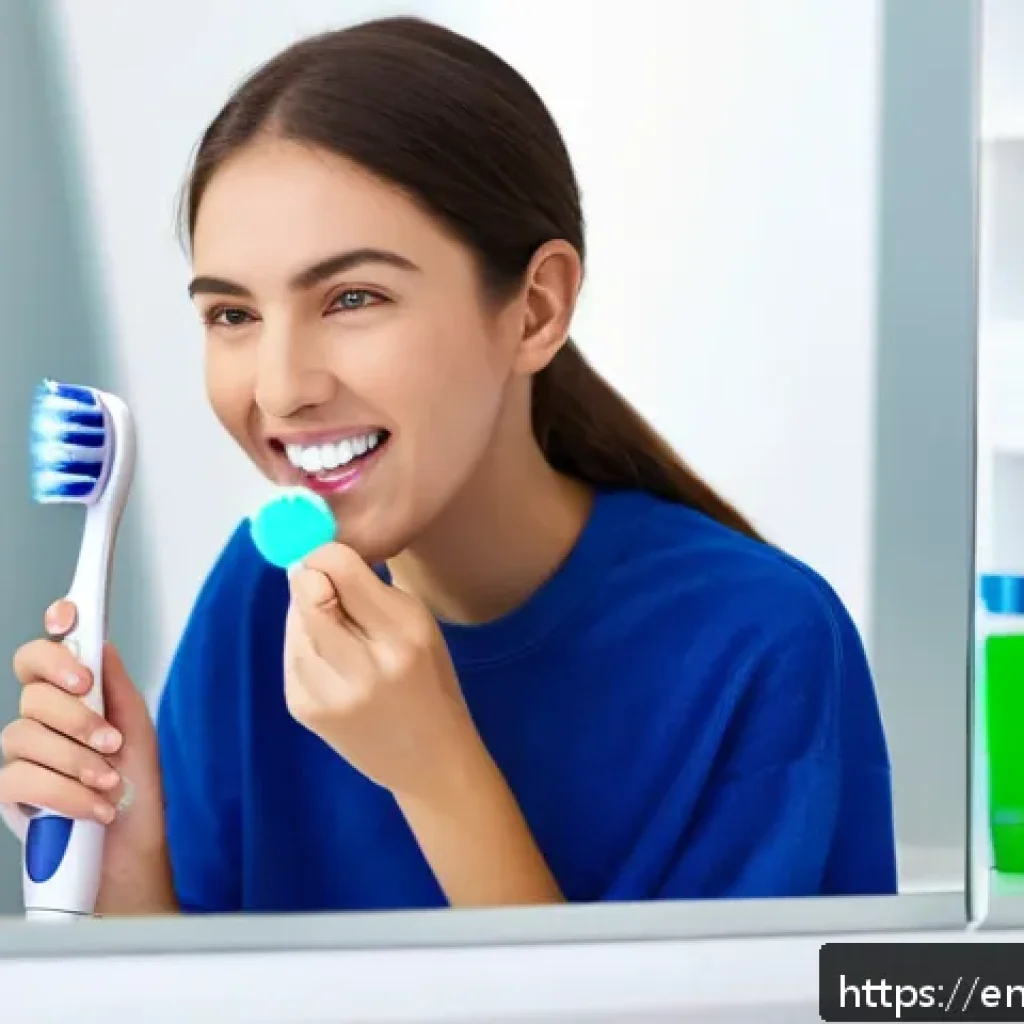
Depending on your technique and the type of toothbrush—manual or electric—you can reach most areas of your mouth effectively. Personally, I’ve found that an electric toothbrush with oscillating heads tends to get into the nooks and crannies better than a standard manual brush.
The mechanical action combined with toothpaste’s fluoride provides a solid defense against cavities and gum disease. However, brushing alone doesn’t always reach below the gumline or between tight spaces where plaque loves to hide.
How Water Flossers Clean Differently
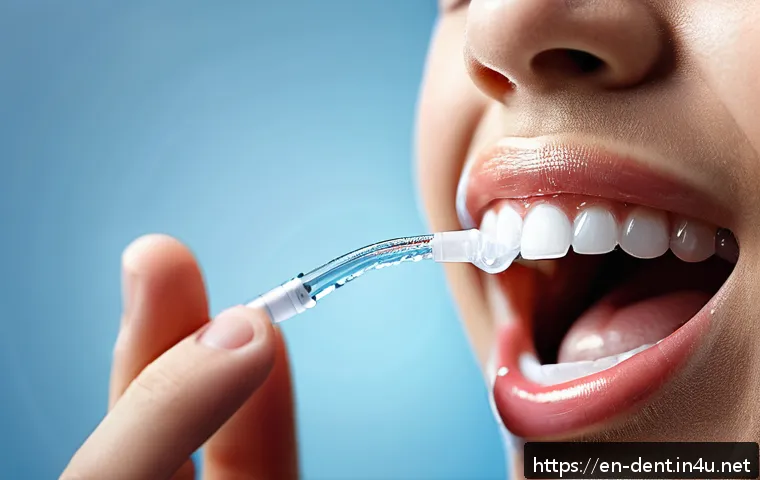
Water flossers, also known as oral irrigators, take a different approach by shooting a pulsating stream of water to dislodge debris and bacteria from between teeth and under the gumline.
I was skeptical at first, but after using one consistently, I noticed a fresher feeling and less bleeding during flossing. The water pressure massages the gums, which can improve circulation and gum health over time.
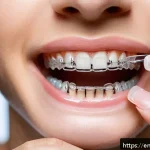
For people with braces, implants, or bridges, water flossers can be a lifesaver because they reach areas that traditional floss might miss or struggle with.
Yet, they don’t physically remove plaque from the tooth surfaces like brushing does, so they’re best seen as complementary rather than a complete replacement.
Complementary Roles Rather Than Competitors
From what I’ve experienced and read, brushing and water flossing serve different but complementary purposes. Brushing tackles the broad surfaces and fluoride delivery, while water flossing excels at cleaning interdental spaces and stimulating gums.
For those who dislike traditional flossing, water flossers offer an easier, more enjoyable way to maintain gum health. But relying solely on one method might leave gaps in your oral hygiene.
Combining both ensures a more comprehensive clean that reduces the risk of cavities, gingivitis, and bad breath. Think of it as a tag team working together for your oral health rather than a winner-takes-all scenario.
Evaluating Convenience and Usability in Daily Routines
Time and Effort: What Fits Your Lifestyle?
If you’re anything like me, the daily grind means efficiency is key. Brushing usually takes about two minutes, and it’s a quick, automatic habit for most people.
Adding flossing can sometimes feel like a chore, especially if you’re not a fan of string floss that can be fiddly and time-consuming. Water flossers, on the other hand, often take a bit longer to set up and clean after use, but many find the actual process easier and less irritating to their gums.
Personally, I’ve found that a water flosser session takes about 60 seconds, making it a convenient addition to my routine without feeling like a burden.
Portability and Travel Considerations
Traditional toothbrushes and floss are easy to pack and don’t require electricity, which is a big plus for travel. I always keep a manual brush and floss in my carry-on just in case.
Water flossers tend to be bulkier and need a power source, although there are now portable, battery-operated models that fit better in travel bags. Still, they require careful packing to avoid water leaks and damage.
For frequent travelers or those with limited bathroom space, sticking to a toothbrush and floss might be more practical. However, if you’re at home or have space to spare, the water flosser’s benefits often outweigh the minor inconvenience of size.
Maintenance and Upkeep
Toothbrushes are straightforward: replace the head every three months or when bristles fray. Water flossers require a bit more attention—they need regular cleaning to prevent mold or mineral buildup, especially if you have hard water.
I learned this the hard way when my first water flosser started to smell funky after a few months. Cleaning the reservoir and tips regularly, sometimes using vinegar or special cleaning tablets, keeps it fresh and functioning well.
For those who dislike extra maintenance tasks, this might be a downside to consider.
Effectiveness in Managing Gum Health and Preventing Disease
Impact on Gingivitis and Gum Inflammation
One of the standout benefits I noticed with water flossing was reduced gum bleeding and sensitivity. Clinical studies support this, showing water flossers can reduce gingival inflammation more effectively than string floss in some cases.
The gentle massage effect seems to promote better blood flow and healing. That said, brushing with a soft-bristled brush and using proper technique is still critical to keeping gums healthy.
Ignoring brushing while only water flossing won’t give you the same results. From experience, combining both methods gives the best gum protection.
Reducing Plaque Buildup: Which One Wins?
Plaque is the main villain when it comes to cavities and gum disease. Brushing physically scrapes plaque from tooth surfaces, which is essential. Water flossers help flush out plaque from between teeth and below the gumline but don’t remove it from the tooth surfaces themselves.
Dentists recommend brushing twice daily and flossing or irrigating once daily for optimal plaque control. I’ve found that skipping brushing and relying solely on water flossing leaves noticeable plaque buildup, so it’s clear that brushing remains indispensable.
Addressing Specific Dental Conditions
For people with orthodontic appliances, implants, crowns, or bridges, water flossers offer unique advantages. They can clean around hardware where floss might snag or miss areas.
After getting braces, I personally switched to incorporating a water flosser because it helped me maintain cleanliness without damaging the wires or irritating my gums.
Also, those prone to gum recession or with sensitive gums might find water flossers less painful and more soothing compared to traditional floss. However, if you have severe gum disease or deep pockets, professional care and tailored advice are necessary beyond home tools.
Cost Considerations and Long-Term Investment in Oral Care
Initial Expense and Replacement Costs
Basic manual toothbrushes are the most budget-friendly option, costing just a few dollars and lasting about three months. Electric toothbrushes vary widely, from $30 for entry-level models to over $200 for high-tech versions with smart features.
Water flossers generally start around $50 and can go up to $200 depending on brand and features. Replacement tips for water flossers and electric toothbrush heads add ongoing costs.
Personally, I weighed these expenses against the benefits and found investing in a mid-range electric toothbrush and water flosser worth it for my dental health and comfort.
Long-Term Savings Through Prevention
Investing in effective oral hygiene tools can reduce costly dental treatments down the road. Preventing cavities, gum disease, and tooth loss saves money on fillings, root canals, or implants.
I’ve experienced firsthand how maintaining a diligent routine with both brushing and water flossing helped me avoid gum inflammation flare-ups and dental visits for scaling.
Though the upfront costs seem higher, the peace of mind and fewer dental emergencies make it worthwhile. Plus, some insurance plans offer discounts or reimbursements for electric toothbrushes or oral irrigators, which can ease the financial burden.
Value Beyond Price: Comfort and Motivation
Sometimes, the best tool is the one you actually use consistently. I found that water flossing made me more motivated to floss daily because it was less annoying than string floss.
Similarly, the satisfying feeling of a thorough brush with an electric toothbrush encouraged me to brush longer and better. These intangible benefits—comfort, enjoyment, motivation—are just as important as price tags.
Choosing tools that fit your preferences and lifestyle can turn oral care from a dreaded chore into a manageable, even pleasant habit.
Comparing Cleaning Coverage and Reach in Your Mouth
Accessing Hard-to-Reach Areas
Brushing can cover most tooth surfaces but often struggles with tight spaces between teeth and under the gumline. I’ve noticed that even with good technique, plaque can linger in these spots.
Water flossers excel here by sending water jets that penetrate these challenging areas, flushing out debris and bacteria. For people with crowded teeth or dental work, this can make a noticeable difference.
However, water flossers can’t replace the mechanical scrubbing action needed for full cleaning coverage.
Effectiveness on Different Tooth Surfaces
The front, back, and chewing surfaces of teeth all need cleaning. Brushing covers these efficiently, especially with angled bristles and proper motion.
Water flossers mainly target interdental spaces and gum pockets, so they don’t clean flat tooth surfaces directly. Using both ensures that every part of the tooth receives attention.
I’ve found that relying on just one method often leaves certain areas less clean, which can lead to plaque buildup and discoloration.
Combining Tools for Maximum Cleanliness
Incorporating both brushing and water flossing into your routine creates a synergistic effect. The brush scrubs the broad surfaces and applies fluoride, while the water flosser flushes out hidden debris and stimulates gums.
This combination not only improves cleanliness but also boosts gum health and reduces inflammation. For those committed to optimal oral care, this dual approach is the gold standard.
My personal experience confirms that using both tools consistently leads to fresher breath, healthier gums, and fewer dental issues over time.
Summary of Key Differences and Benefits
| Aspect | Toothbrush | Water Flosser |
|---|---|---|
| Primary Cleaning Method | Mechanical scrubbing of tooth surfaces | Pulsating water stream to flush debris between teeth |
| Best For | Removing plaque from all tooth surfaces | Cleaning interdental spaces and under gumline |
| Ease of Use | Quick and familiar; requires manual dexterity | Easy for those with braces or sensitive gums; setup needed |
| Maintenance | Replace brush heads every 3 months | Regular cleaning of reservoir and tips required |
| Cost | Low to moderate; replacement heads affordable | Moderate to high; replacement tips cost extra |
| Portability | Highly portable and travel-friendly | Less portable; battery-operated models available |
| Effectiveness on Gum Health | Good with proper technique | Excellent for reducing inflammation and bleeding |
| Recommended Usage | At least twice daily | Once daily as a complement to brushing |
Personal Preferences and Practical Tips for Choosing Your Routine
Listening to Your Mouth’s Needs
Everyone’s mouth is unique, so tuning in to how your gums and teeth respond is crucial. If you notice bleeding or sensitivity, a water flosser might soothe and help heal gums better than floss alone.
On the other hand, if you struggle with plaque buildup on tooth surfaces, focusing on brushing technique is essential. I found that checking my gums regularly and consulting with my dentist helped me adjust my routine effectively.
Tailoring your approach based on personal feedback leads to better long-term results.
Experimenting with Different Tools
Trying out various toothbrushes, floss types, and water flossers can be eye-opening. I once switched from a manual brush to an electric one and immediately noticed cleaner teeth and less effort.
Later, adding a water flosser improved my gum health significantly. Don’t hesitate to test different brands and features to find what feels best. Many stores offer trial sizes or money-back guarantees, so you can experiment without a big commitment.
Consistency Over Perfection
At the end of the day, the best tool is the one you use regularly. I’ve seen people obsess over which gadget is superior but then neglect their routine altogether.
Whether you stick to brushing and flossing traditionally or add a water flosser, daily commitment matters most. Building habits that fit your lifestyle and preferences ensures long-term oral health.
Remember, even the fanciest device won’t help if it sits unused in the cabinet.
In Closing
Maintaining optimal oral health requires understanding how different tools work together. Brushing and water flossing each play unique roles that complement one another for a thorough clean. Finding the right balance based on your personal needs and preferences is key to building a sustainable routine. Consistency, comfort, and proper technique ultimately lead to healthier teeth and gums.
Helpful Tips to Remember
1. Always replace your toothbrush or brush head every three months to ensure effective cleaning and hygiene.
2. Incorporate water flossing if you have braces, implants, or sensitive gums for better access and comfort.
3. Keep your water flosser clean by regularly rinsing the reservoir and tips to avoid buildup and odors.
4. Choose oral care tools that fit your lifestyle and motivate you to maintain a consistent routine.
5. Regular dental check-ups are essential to tailor your oral hygiene routine and catch issues early.
Key Takeaways
Both brushing and water flossing are essential components of effective oral hygiene, each targeting different areas and types of debris. Brushing provides mechanical plaque removal and fluoride application, while water flossers excel at cleaning interdental spaces and promoting gum health. Selecting tools that suit your specific dental conditions and lifestyle improves compliance and long-term results. Remember, a combined approach is more effective than relying on one method alone, and regular professional guidance supports optimal oral care.
Frequently Asked Questions (FAQ) 📖
Q: uestionsQ1: Can a water flosser completely replace brushing my teeth?
A: While water flossers are excellent for removing debris and reducing gum inflammation, they shouldn’t replace brushing entirely. Brushing physically removes plaque and food particles from tooth surfaces, which water flossers alone can’t do effectively.
For the best oral health, combining brushing with a water flosser or traditional floss is recommended.
Q: Are water flossers better for people with braces or dental implants?
A: Absolutely. Water flossers can reach tricky areas around braces, implants, and bridges more easily than traditional floss. They help flush out food particles and plaque without damaging delicate dental work.
Many users with orthodontic appliances find water flossers to be a gentler, more convenient option for maintaining oral hygiene.
Q: How often should I use a water flosser compared to traditional flossing?
A: Ideally, you should use a water flosser once daily, similar to regular flossing. Some people prefer using it after brushing, while others use it at a different time of day.
The key is consistency—daily use helps prevent gum disease and keeps your mouth feeling fresh. If you’re new to water flossing, start slowly and gradually increase to avoid gum sensitivity.