Lately, more people are paying close attention to the materials used in dental crowns as they seek the perfect balance between durability and natural appearance.
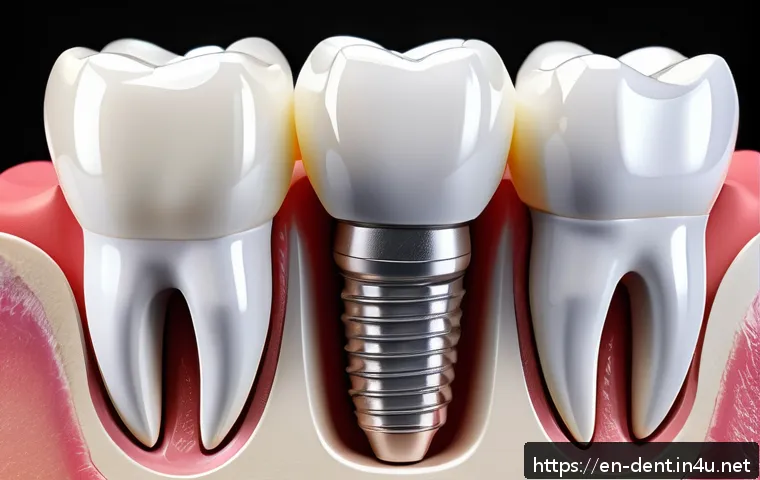
Whether you’re considering a crown for restorative or cosmetic reasons, understanding the differences between all-ceramic and zirconia crowns is essential.
With advancements in dental technology, both options offer promising benefits, but which one truly stands out for your smile? Stick around as we dive into their strengths, helping you make an informed choice that suits your lifestyle and aesthetic goals.
Trust me, this is the kind of info your dentist wishes every patient knew beforehand!
Understanding the Aesthetic Appeal of Different Crown Materials
How Natural Does Your Crown Look?
When it comes to choosing a dental crown, the way it mimics your natural teeth is a huge factor. All-ceramic crowns are often praised for their translucency, which closely resembles the enamel of real teeth.
This means they can blend seamlessly with your surrounding teeth, making them a favorite for front teeth restorations where appearance is critical. On the other hand, zirconia crowns, while also tooth-colored, tend to have a slightly more opaque finish.
This can sometimes make them stand out a bit more, especially under bright lighting. However, newer generations of zirconia have improved translucency, narrowing the gap between these two materials significantly.
Color Matching and Longevity of Shade
One challenge with crowns is how well they maintain their color over time. All-ceramic crowns generally hold their shade well, but they can be more susceptible to staining if you indulge in coffee, wine, or smoking.
Zirconia crowns, in contrast, are highly resistant to staining and discoloration. This makes them a strong contender if you want a crown that stays looking fresh without much maintenance.
I’ve seen patients who enjoy their zirconia crowns for years without worrying about color changes, which is a big plus for busy lifestyles.
Customization and Layering Techniques
Dentists often customize all-ceramic crowns with multiple layers of porcelain to achieve a lifelike depth and gloss. This layering technique allows for subtle variations in color and texture that can replicate the natural wear of teeth.
Zirconia crowns, being made from a solid block of material, don’t offer as much flexibility in layering but can still be glazed and stained to enhance their appearance.
From my experience, if you’re after the most artistic and natural-looking result, all-ceramic crowns tend to edge out slightly, especially in cosmetic dentistry.
Durability and Strength: What Holds Up Better?
Resistance to Cracks and Chips
When durability is your top priority, zirconia crowns really shine. They are known for their exceptional toughness and resistance to fractures, making them ideal for molars and areas that endure heavy chewing forces.
I’ve seen zirconia crowns withstand years of wear in patients who grind their teeth or have strong bite forces without any issues. All-ceramic crowns, while strong, can be more prone to chipping or cracking under intense pressure, so they might require more care if you’re someone who loves crunchy snacks or has bruxism.
Longevity in Everyday Use
Zirconia’s strength translates into impressive longevity, often lasting 10 to 15 years or more with proper care. All-ceramic crowns can also last a long time but might need replacement a bit sooner depending on habits and oral environment.
In my practice, I recommend zirconia crowns for patients who want a durable, low-maintenance option that won’t easily fail even under heavy use. It’s reassuring to know that these crowns can take a beating and keep your smile intact.
Handling Adjustments and Repairs
If you ever need adjustments or repairs, all-ceramic crowns can sometimes be easier to modify due to their material properties. Zirconia crowns, because of their hardness, require special tools and techniques for adjustments, which can sometimes mean additional dental visits or costs.
I always advise patients to consider this factor if they anticipate needing fine-tuning after placement, especially if they have a history of dental work adjustments.
Comfort and Biocompatibility: How Your Mouth Reacts
Gum Tissue Compatibility
Comfort is key when it comes to dental restorations. Both all-ceramic and zirconia crowns are biocompatible, meaning they rarely cause allergic reactions or gum irritation.
However, zirconia is often hailed for its excellent tissue compatibility, promoting healthy gums around the crown. I’ve had patients report less inflammation and better overall gum health with zirconia compared to metal-based crowns, which is encouraging if you’re sensitive or prone to gum issues.
Temperature Sensitivity
Some patients notice sensitivity to hot or cold after getting a crown. All-ceramic crowns tend to conduct temperature slightly more than zirconia, which might cause mild sensitivity initially.
Zirconia’s dense structure acts as a better insulator, reducing the chances of temperature-related discomfort. For anyone with a sensitive mouth, zirconia could offer a more comfortable experience in the long run.
Weight and Feel in the Mouth
While it might sound trivial, the feel of a crown can impact your comfort. Zirconia crowns are surprisingly lightweight despite their toughness, which contributes to a natural feel when chewing.
All-ceramic crowns also feel quite natural, but the difference is often negligible. I’ve noticed patients quickly adapt to either, but those who switch from metal crowns to zirconia often comment on the lightness and comfort improvement.
Cost Considerations and Insurance Coverage
Price Differences Between the Two Materials
Cost is always a factor when choosing a dental crown. Generally, zirconia crowns tend to be slightly more expensive due to their advanced manufacturing process and material strength.
All-ceramic crowns, while still a premium option, can sometimes be more affordable depending on the lab and dentist’s expertise. From what I’ve seen, the price gap isn’t huge but can influence decisions for those on a tighter budget.
Insurance and Out-of-Pocket Expenses
Many dental insurance plans cover crowns partially, but coverage varies widely. Some plans treat all-ceramic and zirconia crowns differently in terms of reimbursement rates.
I recommend checking with your insurer upfront to understand what portion you’ll be responsible for. Often, patients find that investing a bit more out-of-pocket for zirconia crowns pays off in durability and reduced replacement costs later.
Value Over Time: Investing Wisely
Thinking about value, it’s important to consider how long your crown will last and how often you might need repairs or replacements. Zirconia crowns often offer better long-term value despite a higher initial cost because they minimize future dental visits for fixes.
I’ve had clients tell me they wished they had chosen zirconia sooner after experiencing fewer complications and savings down the road.
Maintenance and Care Tips for Crown Longevity
Daily Cleaning Practices
Regardless of the crown material, maintaining good oral hygiene is non-negotiable. Brushing twice a day with a soft-bristled toothbrush and flossing daily helps keep your crown and surrounding teeth healthy.
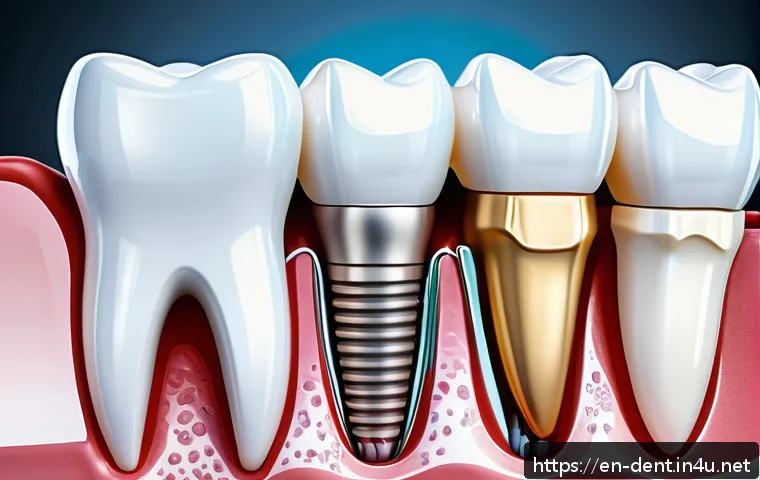
I always emphasize to patients that crowns aren’t immune to plaque buildup or gum disease, so regular care is essential.
Foods to Avoid for Crown Protection
Certain foods can jeopardize the integrity of your crown. Hard candies, ice chewing, and sticky sweets can cause cracks or dislodgement, especially with all-ceramic crowns.
Zirconia crowns handle stress better, but it’s still wise to avoid extreme forces. I tell patients that enjoying a balanced diet while steering clear of these risky foods helps prolong their investment.
Regular Dental Check-Ups and Professional Care
Routine dental visits allow your dentist to monitor the condition of your crown and catch any issues early. Professional cleanings also prevent gum inflammation that could affect crown margins.
From personal experience, patients who stick to regular check-ups enjoy their crowns longer and with fewer surprises.
Comparing Key Features of All-Ceramic and Zirconia Crowns
| Feature | All-Ceramic Crowns | Zirconia Crowns |
|---|---|---|
| Aesthetic Appeal | Highly translucent, very natural-looking, excellent for front teeth | Good translucency, slightly opaque but improving with newer materials |
| Durability | Strong but more prone to chipping and cracking | Extremely tough and fracture-resistant, ideal for molars |
| Biocompatibility | Excellent, minimal gum irritation | Superior tissue compatibility, promotes gum health |
| Temperature Sensitivity | May cause mild sensitivity initially | Better insulation, less sensitivity |
| Cost | Moderate, generally more affordable | Higher, reflects advanced material and strength |
| Maintenance | Requires careful handling to avoid chips | Low maintenance, highly resistant to stains and damage |
| Adjustment Ease | Easier to modify and repair | Requires special tools, more difficult to adjust |
Which Crown Fits Your Lifestyle Best?
Considering Your Daily Habits
If you’re someone who leads an active lifestyle, enjoys crunchy or hard foods, or has a history of teeth grinding, zirconia crowns may be the best fit for you.
Their strength can handle the wear and tear that comes with a busy, sometimes stressful routine. From what I’ve witnessed firsthand, patients with demanding lifestyles benefit from zirconia’s resilience and low maintenance.
Prioritizing Aesthetics Over Durability
For those whose primary concern is the flawless appearance of their smile—especially if the crown will be visible when you talk or smile—an all-ceramic crown might be more appealing.
The ability to mimic the natural translucency and layering of teeth is unmatched. I recall a patient who was thrilled with the lifelike quality of her all-ceramic crown on her front tooth, which boosted her confidence tremendously.
Balancing Budget and Expectations
Budget plays a role, no doubt. If you want a crown that offers a strong combination of durability and aesthetics and are willing to invest a bit more upfront, zirconia is a solid choice.
But if cost is a bigger concern and your crown is in a less visible area, all-ceramic crowns offer excellent value without sacrificing too much on appearance.
I always encourage open conversations with your dentist to find the sweet spot that fits your needs and wallet.
The Future of Dental Crowns: Innovations on the Horizon
Advances in Material Science
The dental industry is constantly evolving, with new materials and technologies emerging that improve both the function and look of crowns. Research into hybrid ceramics and improved zirconia formulations promises crowns that are even stronger and more natural-looking.
I’ve been following these developments closely, and it’s exciting to see what’s coming next.
Digital Dentistry and Customization
Digital impressions and CAD/CAM technology have revolutionized crown fabrication, allowing for precise fits and quicker turnaround times. This means less time in the chair and more accurate results.
I’ve experienced firsthand how these technologies enhance patient satisfaction and reduce the guesswork involved in traditional methods.
Personalized Treatment Plans
Future trends point toward more personalized dentistry, where treatment plans are tailored not just to dental health but to lifestyle, aesthetic goals, and even genetic factors.
This holistic approach ensures that the crown you receive is truly optimized for your unique smile and needs. It’s a game-changer for anyone seeking the perfect blend of beauty and function.
Conclusion
Choosing the right crown material is a balance between aesthetics, durability, comfort, and budget. Both all-ceramic and zirconia crowns have unique strengths that cater to different needs and lifestyles. Understanding these differences helps you make an informed decision for a healthy, confident smile. Consulting with your dentist will ensure the best match for your personal preferences and oral health.
Helpful Information to Know
1. Regular oral hygiene is essential to maintain the longevity and appearance of any crown.
2. Avoid biting on hard or sticky foods to prevent damage, especially with all-ceramic crowns.
3. Zirconia crowns offer superior strength and stain resistance, ideal for heavy bite forces.
4. All-ceramic crowns provide unmatched natural translucency, perfect for front teeth restorations.
5. Always check your dental insurance coverage beforehand to understand your out-of-pocket costs.
Key Takeaways
Dental crowns differ mainly in appearance, durability, and maintenance needs. Zirconia crowns excel in strength and longevity, making them suitable for back teeth and active lifestyles, while all-ceramic crowns shine in mimicking natural tooth aesthetics, ideal for visible front teeth. Consider your daily habits, aesthetic priorities, and budget when choosing. Regular dental check-ups and proper care remain crucial regardless of the material you select to ensure your crown lasts and functions well over time.
Frequently Asked Questions (FAQ) 📖
Q: uestions about
A: ll-Ceramic vs. Zirconia Dental Crowns
Q: Which type of crown looks more natural, all-ceramic or zirconia?
A: All-ceramic crowns generally offer the most natural appearance because their translucent properties closely mimic real tooth enamel. If you’re aiming for a crown that blends seamlessly with your surrounding teeth, especially for front teeth, all-ceramic is often the preferred choice.
Zirconia crowns, while strong and durable, tend to be a bit more opaque, which can sometimes give them a slightly less lifelike look. That said, modern zirconia crowns have improved significantly in aesthetics, so the difference is less noticeable than it used to be.
Q: How durable are all-ceramic crowns compared to zirconia crowns?
A: Zirconia crowns are known for exceptional strength and durability, making them highly resistant to chipping and cracking, which is why many dentists recommend them for molars and areas with heavy biting forces.
All-ceramic crowns are strong too but are generally less resistant to fracture under intense pressure. From my experience and what I’ve heard from dental professionals, if you grind your teeth or need a crown in a high-stress area, zirconia might be a safer bet to avoid future repairs or replacements.
Q: Are there any differences in the procedure or comfort between getting an all-ceramic crown versus a zirconia crown?
A: The preparation and fitting process for both crown types is quite similar, so comfort during the procedure doesn’t usually differ much. However, some patients report that all-ceramic crowns feel a bit lighter and more natural in the mouth due to their material properties.
Zirconia crowns can be slightly thicker because of their strength, which occasionally requires a bit more tooth reduction. Ultimately, your dentist will tailor the approach based on your specific dental anatomy and needs, ensuring the most comfortable and effective fit for you.