With dental scaling becoming an increasingly common preventive treatment, many are curious about the best ways to care for their teeth afterward. Recently, there’s been a growing conversation about managing sensitivity and protecting that fresh, clean smile post-scaling.
If you’ve just had a professional cleaning or are considering one, understanding the right aftercare can make all the difference. In this post, I’ll share practical tips that have worked well for me and dental experts alike, helping you maintain comfort and keep your smile radiant.
Stick around to discover how simple habits can prevent discomfort and ensure lasting oral health.
Understanding Post-Scaling Sensitivity and How to Soothe It
Why Teeth Feel Sensitive After Scaling
After a dental scaling session, it’s totally normal to experience some sensitivity. This happens because the procedure removes plaque and tartar buildup, which often shield the more sensitive parts of your teeth.
When that protective layer is gone, the dentin underneath becomes exposed, making your teeth more reactive to hot, cold, or even sweet stimuli. From my own experience, this sensitivity usually peaks within the first 24 to 48 hours and then gradually subsides as your gums and teeth adjust.
Dental experts also note that the extent of sensitivity can vary depending on how much buildup was removed and your individual enamel thickness.
Effective Ways to Manage Discomfort
One of the best things you can do is switch to a toothpaste specifically formulated for sensitive teeth. These contain ingredients like potassium nitrate or stannous fluoride that help block the transmission of sensation from the tooth surface to the nerve.
I found that brushing gently with a soft-bristled toothbrush also makes a huge difference. Vigorous brushing right after scaling can irritate your gums further, so keep it light.
Additionally, rinsing with a warm saltwater solution a couple of times a day can calm inflammation and promote healing. Avoid acidic or very hot beverages for a few days, as they tend to worsen sensitivity.
When to Seek Professional Advice
If your sensitivity persists beyond a week or worsens instead of improving, it’s a good idea to check back with your dentist. Sometimes, the procedure can reveal underlying issues like enamel erosion or gum recession that require additional treatment.
I once had a friend whose sensitivity lingered for over two weeks, and it turned out she needed a protective dental sealant to shield her teeth. Don’t hesitate to reach out if you’re feeling uncomfortable; early intervention can prevent more serious problems down the line.
Optimizing Your Oral Hygiene Routine After Scaling
Choosing the Right Tools for Gentle Care
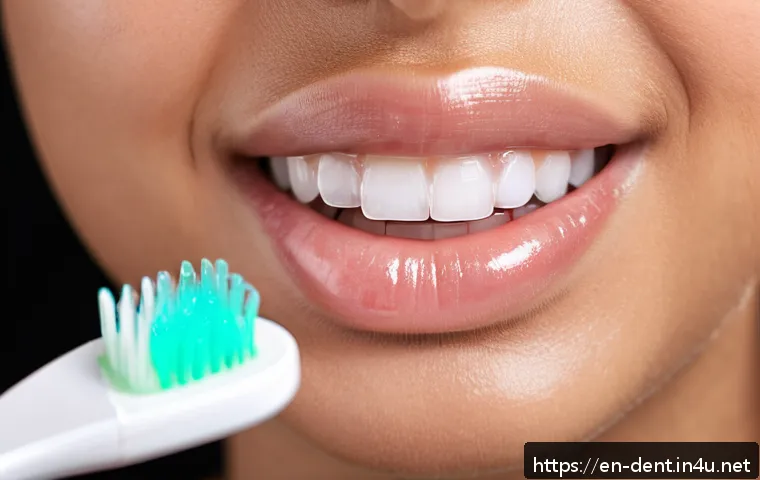
Right after scaling, your teeth and gums are in a delicate state, so it’s essential to use the right tools. A soft-bristled toothbrush is a must, and electric toothbrushes with pressure sensors can be especially helpful to avoid aggressive brushing.
Flossing remains important, but be gentle—if you notice bleeding or discomfort, try flossing less vigorously or switch to floss picks that allow better control.
I’ve found that incorporating an antimicrobial mouthwash helps reduce bacteria without irritating my gums, which keeps my mouth fresh and supports healing.
Timing Your Brushing and Flossing
Instead of jumping into your usual routine immediately after scaling, give your gums some time to settle. Experts recommend waiting at least 30 minutes before brushing to avoid aggravating sensitive areas.
When you do brush, take your time and use circular motions rather than harsh back-and-forth scrubbing. Flossing can be done once a day but be mindful to avoid snapping the floss between teeth, which can cause tiny cuts in your gums.
In my experience, spacing out these habits and being mindful of technique has helped maintain comfort without sacrificing cleanliness.
Incorporating Natural Remedies and Supplements
Some natural remedies can complement your post-scaling care, such as applying aloe vera gel to soothe irritated gums or chewing on cloves for their mild analgesic effect.
Additionally, vitamins like Vitamin C and D play a crucial role in gum health and tissue repair. I started taking a daily Vitamin D supplement after my last scaling, and I genuinely noticed quicker healing and less soreness.
While these aren’t substitutes for professional care, they can be great additions to your recovery toolkit.
Dietary Adjustments to Support Healing and Comfort
Foods to Avoid Immediately After Scaling
It’s tempting to reach for your favorite spicy or crunchy snacks after a cleaning, but certain foods can delay healing or worsen sensitivity. Acidic fruits like oranges or tomatoes, as well as carbonated drinks, can irritate freshly cleaned teeth and inflamed gums.
Hard foods like nuts or chips might cause discomfort or even damage sensitive areas. I personally avoided all these for about three days post-scaling and stuck to softer, bland foods, which made a noticeable difference in my comfort level.
Foods That Promote Oral Health Recovery
On the flip side, incorporating soft foods rich in nutrients can aid healing. Yogurt, mashed potatoes, scrambled eggs, and smoothies packed with leafy greens and berries offer vitamins and minerals that support gum repair.
Drinking plenty of water throughout the day also helps flush out bacteria and keeps your mouth hydrated, which is crucial for tissue recovery. I made a habit of sipping warm herbal teas with honey, which felt comforting and helped maintain moisture in my mouth.
Balancing Sugar Intake Post-Scaling
While sweet treats are enjoyable, they can pose a risk to your teeth, especially right after scaling when enamel is more vulnerable. Sugar feeds bacteria that cause plaque buildup and tooth decay, counteracting the benefits of your cleaning.
I found that minimizing sugary snacks for at least a week post-scaling helped keep my mouth feeling fresh and prevented unnecessary sensitivity flares.
If you do indulge, brushing or rinsing soon after can help reduce the impact.
Importance of Hydration and Its Role in Oral Health
How Water Helps Post-Scaling Recovery
Hydration is often overlooked but plays a vital role in oral health, especially after a dental cleaning. Drinking water helps wash away food particles and bacteria, reducing the risk of new plaque buildup.
It also maintains saliva flow, which is your mouth’s natural defense mechanism against acid and infection. From personal experience, increasing my daily water intake after scaling sessions significantly reduced dryness and discomfort in my gums.
Tips for Staying Hydrated Throughout the Day

To keep hydration levels optimal, carry a water bottle with you and set reminders if you tend to forget. Avoid beverages that dehydrate, such as caffeinated sodas or alcohol, in the days following your treatment.
If plain water feels boring, infuse it with slices of cucumber, mint, or lemon for a refreshing twist without adding acidity. I often do this and find it easier to drink more frequently, which supports both my oral and overall health.
Recognizing Signs of Dehydration and Its Impact
Dry mouth, bad breath, and increased sensitivity can all be signs that you’re not drinking enough water. Inadequate hydration reduces saliva production, leading to a dry environment where bacteria can thrive and irritate your gums.
If you notice these symptoms lingering after scaling, it’s a cue to ramp up your water intake and possibly consult your dentist to rule out other causes.
Personally, being mindful about hydration has been a game-changer in keeping my mouth comfortable and healthy.
Choosing the Right Products for Post-Scaling Care
Recommended Toothpastes and Mouthwashes
Selecting a toothpaste designed for sensitive teeth is a smart move after scaling. Brands containing ingredients like potassium nitrate, fluoride, or arginine can protect exposed dentin and strengthen enamel.
For mouthwashes, alcohol-free formulas with antibacterial properties help reduce inflammation without causing dryness. When I switched to a fluoride-rich toothpaste after my last scaling, I noticed my sensitivity dropped significantly within days.
Using Dental Tools Safely at Home
While professional cleanings are irreplaceable, maintaining oral hygiene at home requires the right approach. Avoid using harsh or abrasive tools, like metal picks or hard-bristled brushes, that can damage your gums post-scaling.
Electric toothbrushes with pressure sensors provide a gentle yet effective clean. I personally invested in a water flosser, which has been fantastic for removing debris without irritating sensitive areas.
Natural vs. Commercial Products: What Works Best?
There’s a lot of debate about natural oral care products versus commercial ones. Natural options like coconut oil pulling or herbal rinses can complement your routine but often lack the clinical strength needed after scaling.
Commercial products tend to have scientifically backed ingredients that promote enamel remineralization and reduce sensitivity. From my own trial and error, a balanced combination works best: I use a commercial toothpaste but occasionally add natural remedies for extra comfort and freshness.
Recognizing When Additional Treatment Might Be Needed
Signs That Indicate Further Dental Care
Sometimes, discomfort after scaling isn’t just normal sensitivity but a sign of an underlying issue. Persistent bleeding, severe pain, or swelling could indicate gum disease or infection requiring more targeted treatment.
I once ignored prolonged soreness and ended up needing a deep cleaning session, which was more involved but ultimately necessary. If you experience any of these symptoms, don’t hesitate to contact your dentist promptly.
Options for Long-Term Sensitivity Management
For those who frequently undergo scaling or have naturally sensitive teeth, long-term strategies can help. These include protective sealants, desensitizing treatments, or even minor restorative procedures.
Your dentist can tailor a plan based on your specific needs. I found that regular check-ups combined with customized care plans drastically reduced my sensitivity over time, making cleanings much more comfortable.
Maintaining Motivation for Regular Dental Visits
It’s easy to skip appointments if you’re worried about discomfort, but staying consistent is key to oral health. Knowing what to expect and how to care for your teeth afterward can ease anxiety and improve your experience.
I keep a checklist of aftercare tips and remind myself that the temporary sensitivity is a small price for a healthier smile. Encouraging yourself with this mindset can transform dental visits from a chore into a positive routine.
| Post-Scaling Care Aspect | Recommended Actions | Things to Avoid |
|---|---|---|
| Sensitivity Management | Use sensitive toothpaste, gentle brushing, saltwater rinses | Avoid hot/cold acidic foods and vigorous brushing |
| Oral Hygiene Tools | Soft-bristled toothbrush, pressure-sensor electric brush, water flosser | Hard-bristled brushes, metal picks, aggressive flossing |
| Dietary Considerations | Soft, nutrient-rich foods; plenty of water; limit sugar | Acidic, spicy, hard foods; sugary snacks and drinks |
| Hydration | Drink water regularly, avoid dehydrating beverages | Caffeinated sodas, alcohol, dry mouth-inducing habits |
| Professional Follow-Up | Monitor symptoms; consult dentist if sensitivity persists | Ignoring prolonged pain, bleeding, or swelling |
In Conclusion
Experiencing sensitivity after dental scaling is common and usually temporary. With the right care and gentle habits, you can ease discomfort and support your healing process effectively. Remember, maintaining good oral hygiene and staying hydrated plays a crucial role in recovery. If sensitivity lingers or worsens, consulting your dentist ensures timely and proper treatment. Taking these steps helps you enjoy a healthier, more comfortable smile post-scaling.
Helpful Tips to Keep in Mind
1. Use toothpaste designed for sensitive teeth and brush gently with a soft-bristled toothbrush to minimize irritation.
2. Avoid acidic, spicy, or hard foods immediately after scaling to prevent aggravating your teeth and gums.
3. Stay well-hydrated by drinking plenty of water and avoid dehydrating beverages like alcohol and caffeinated sodas.
4. Wait at least 30 minutes before brushing post-scaling and floss carefully to protect sensitive areas.
5. Incorporate natural remedies like aloe vera or vitamin supplements to support gum healing alongside professional care.
Key Takeaways
Post-scaling sensitivity is a normal reaction caused by exposed dentin and inflamed gums. Managing this involves using appropriate oral care products, adjusting your diet to softer, nutrient-rich foods, and maintaining consistent hydration. Gentle brushing and flossing techniques prevent further irritation, while professional follow-ups are essential if symptoms persist. Combining expert advice with personal care routines ensures quicker recovery and long-term oral health.
Frequently Asked Questions (FAQ) 📖
Q: uestions
A: bout Dental Scaling Aftercare
Q: Is it normal to experience tooth sensitivity after dental scaling?
A: Yes, experiencing some sensitivity after dental scaling is quite common. The procedure removes plaque and tartar buildup, which can temporarily expose parts of your teeth or roots that are usually protected, leading to sensitivity to hot, cold, or sweet foods.
This sensitivity typically lasts a few days to a week. To ease discomfort, try using a toothpaste designed for sensitive teeth and avoid extremely hot or cold drinks right after the treatment.
If sensitivity persists beyond two weeks, it’s a good idea to check back with your dentist.
Q: What should I avoid eating or drinking right after a dental scaling session?
A: After scaling, your teeth and gums might be a bit tender, so it’s best to steer clear of very hot, cold, acidic, or sugary foods and drinks for at least 24 hours.
Acidic beverages like citrus juices, soda, or coffee can irritate sensitive areas, while hard or crunchy foods may cause discomfort. Instead, opt for soft, lukewarm foods like yogurt, smoothies, or soups.
Drinking plenty of water also helps keep your mouth clean and promotes healing.
Q: How can I maintain my clean smile and prevent sensitivity after scaling?
A: Maintaining a clean smile post-scaling involves consistent oral hygiene habits. Brush gently twice a day with a soft-bristled toothbrush and fluoride toothpaste, and floss daily to keep plaque from building up again.
Avoid aggressive brushing, which can worsen sensitivity. Additionally, using a mouthwash recommended by your dentist can help reduce bacteria and soothe gums.
Regular dental check-ups and cleanings, typically every six months, ensure your teeth stay healthy and minimize future sensitivity issues. From my experience, sticking to these simple routines really makes a noticeable difference in comfort and smile brightness.