Hey there! If you’ve recently had a tooth pulled or are about to, you probably have a million questions about what to eat and what to avoid. With the latest dental care trends emphasizing faster recovery and fewer complications, knowing the right post-extraction diet is more important than ever.
I’ve been through it myself, and trust me, what you put on your plate can make all the difference in how quickly you heal. Let’s dive into some essential tips that can help you bounce back comfortably and keep any setbacks at bay.
Stick around—you won’t want to miss these simple yet powerful diet hacks!
Choosing the Right Foods to Support Healing
Soft and Nutrient-Dense Options
When your mouth is tender and swollen after a tooth extraction, forcing yourself to chew hard foods is not only painful but can also slow down healing.
Soft foods like mashed potatoes, yogurt, and scrambled eggs are your best friends during this time. They’re easy to swallow without irritating the wound and can be packed with nutrients that help your body bounce back faster.
Personally, I found that blending fruits into smoothies gave me a great vitamin boost without any discomfort. Just be sure to avoid using straws, as the suction can disrupt the blood clot essential for healing.
Foods to Avoid That Could Cause Irritation
Spicy, crunchy, or acidic foods might seem tempting, but they can seriously aggravate your extraction site. Imagine biting into something sharp like chips or nuts and feeling that sting right where your tooth used to be—that’s a no-go zone.
Acidic foods like citrus fruits or tomato-based sauces can also inflame the area, making recovery longer and more painful. I learned the hard way that even small irritations can lead to complications like dry socket, which you definitely want to avoid.
Hydration and Its Role in Recovery
Staying hydrated is often overlooked, but it’s crucial. Water helps flush out bacteria and keeps your tissues moist, aiding in faster healing. However, cold drinks might cause sensitivity, so room temperature or slightly cool beverages are better choices.
Also, steer clear of alcohol and caffeinated drinks as they can dehydrate you and interfere with any medication you might be taking. Drinking warm herbal teas, like chamomile or ginger, can soothe your mouth and provide a calming effect.
How Texture and Temperature Affect Your Comfort
Why Soft Textures Are Easier on Your Mouth
Post-extraction soreness means your mouth is in a delicate state. Soft textures reduce the risk of disturbing the healing tissue or causing pain when you chew.
Foods like oatmeal, applesauce, or even soft pasta glide down smoothly, causing minimal disturbance. When I first went through this, I stuck to soft rice porridge and noticed a huge difference in comfort compared to trying to eat regular meals.
Temperature Sensitivity After Extraction
Your mouth may be extra sensitive to extreme temperatures after the procedure. Cold foods like ice cream can feel soothing, but sometimes they cause sharp pain if the nerves are exposed.
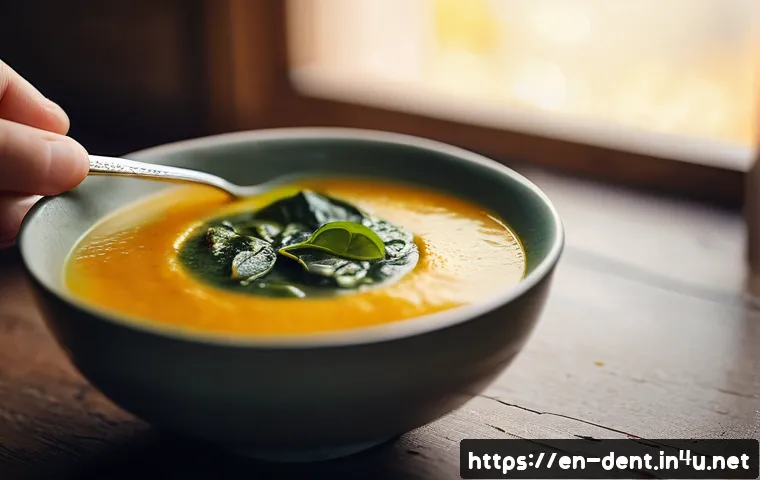
Warm foods are generally more comforting but avoid anything too hot that can burn or irritate your extraction site. I found lukewarm soups to be the perfect compromise—nourishing without triggering discomfort.
Balancing Nutrition Without Sacrificing Comfort
It’s tempting to just eat bland, soft foods with little nutritional value, but your body needs a balanced diet to heal efficiently. Incorporate protein sources like soft tofu or well-cooked beans into your meals to help tissue repair.
Adding a variety of vegetables in pureed form can also keep your vitamin intake up. I combined pureed butternut squash and steamed spinach into my meals, which was surprisingly tasty and kept me feeling nourished.
Timing Your Meals and Snacking Habits
Eating Small, Frequent Meals
Instead of three large meals, try eating smaller portions more often throughout the day. This approach helps maintain your energy levels and prevents putting too much pressure on your mouth at once.
Personally, I found it easier to manage my pain and maintain appetite by snacking every two to three hours with soft foods like cottage cheese or smoothies.
Avoiding Late-Night Eating
Eating right before bed can increase the risk of food particles lingering around the extraction site, which may cause irritation or infection. Try to finish your last meal or snack at least an hour before sleeping.
This little habit helped me avoid waking up with discomfort or a dry mouth, which made a big difference in my overall healing experience.
Planning Your Meal Prep Ahead
Preparing soft, easy-to-eat meals in advance saves you from the stress of deciding what to eat when you’re in pain or feeling tired. I recommend batch cooking things like soups, purees, and soft casseroles that you can quickly reheat.
Having these on hand means you’re less tempted to reach for hard or unhealthy options that might delay recovery.
Understanding the Impact of Oral Hygiene on Your Diet

Keeping the Extraction Site Clean Without Disrupting Healing
Good oral hygiene is essential, but you must be gentle around the extraction area. Rinsing with a saltwater solution after meals helps prevent infection and speeds healing.
However, avoid vigorous rinsing or spitting, which can dislodge the blood clot. I made a habit of gently swishing saltwater for about 30 seconds, which kept the area clean without causing pain.
Choosing Mouthwashes Wisely
Some mouthwashes contain alcohol or harsh chemicals that can irritate your healing gums. Opt for alcohol-free, soothing rinses recommended by your dentist.
I personally found that using a mild chlorhexidine rinse for a few days helped reduce inflammation without any burning sensation.
How Food Choices Influence Oral Hygiene
Sticky or sugary foods can increase the risk of bacteria buildup around the extraction site. Avoid sweets or anything that might cling to your teeth and gums.
Sticking to less sugary, softer foods reduced my risk of infection and kept my mouth feeling fresher throughout the day.
Monitoring Your Body’s Response and When to Seek Help
Recognizing Signs of Complications
While some discomfort is normal, severe pain, swelling, or bleeding days after extraction can indicate complications like dry socket or infection. If you experience these symptoms, don’t hesitate to contact your dentist immediately.
During my recovery, I learned that early intervention made all the difference in preventing prolonged issues.
Adjusting Your Diet Based on Symptoms
If you notice increased pain or sensitivity, it’s wise to revert to even softer foods and avoid anything that might trigger discomfort. Listening to your body and adjusting your diet accordingly helped me avoid setbacks and promoted steady healing.
Importance of Follow-up Care
Regular check-ins with your dental provider ensure your extraction site is healing properly. They can offer personalized advice on diet and oral care to suit your recovery progress.
I found that these visits gave me peace of mind and helpful tips tailored to my specific needs.
Sample Foods to Embrace and Avoid After Extraction
| Food Category | Recommended Foods | Foods to Avoid |
|---|---|---|
| Soft Proteins | Scrambled eggs, tofu, yogurt, cottage cheese | Hard meats, nuts, crunchy protein bars |
| Vegetables & Fruits | Mashed potatoes, pureed carrots, applesauce, ripe bananas | Raw crunchy veggies, citrus fruits, tomatoes |
| Grains & Carbs | Oatmeal, soft rice, pasta, bread soaked in soup | Crusty bread, chips, popcorn |
| Drinks | Room temperature water, herbal teas, smoothies (no straw) | Alcohol, caffeinated beverages, cold drinks with ice |
| Snacks | Gelatin, pudding, soft cheese | Hard candies, gum, crunchy snacks |
In Conclusion
Choosing the right foods after a tooth extraction plays a vital role in speeding up your recovery and minimizing discomfort. Prioritizing soft, nutrient-rich options while avoiding irritants can make a significant difference. Remember to stay hydrated and listen to your body’s signals for the best healing experience. With a little planning and care, you’ll be back to enjoying your meals comfortably in no time.
Useful Tips to Keep in Mind
1. Opt for soft, easy-to-swallow foods that provide essential nutrients without irritating your extraction site.
2. Avoid spicy, acidic, and crunchy foods that can cause pain or delay healing.
3. Stay hydrated with room temperature water and soothing herbal teas, steering clear of alcohol and caffeine.
4. Eat small, frequent meals to maintain energy and reduce pressure on your mouth.
5. Practice gentle oral hygiene by rinsing carefully and using alcohol-free mouthwashes recommended by your dentist.
Key Takeaways
Maintaining a balanced diet with soft, nutritious foods supports tissue repair and reduces the risk of complications. Avoiding harsh textures and irritants helps protect the healing wound. Proper hydration and mindful eating habits enhance comfort and recovery speed. Lastly, regular follow-up care and attentive oral hygiene are crucial to ensure a smooth healing process and prevent infections.
Frequently Asked Questions (FAQ) 📖
Q: What are the best foods to eat right after a tooth extraction?
A: Right after a tooth extraction, soft, cool, and easy-to-eat foods are your best friends. Think smoothies, yogurt, mashed potatoes, scrambled eggs, and soups (make sure they’re not too hot).
These foods won’t irritate the extraction site and help you avoid any unnecessary pain or complications. I found that blending fruits into a smoothie kept me nourished without any chewing hassle, and the coldness actually helped reduce swelling.
Q: How long should I avoid solid or crunchy foods after having a tooth pulled?
A: Generally, it’s wise to stick to soft foods for at least 3 to 5 days post-extraction. Solid or crunchy foods can disrupt the healing clot or cause discomfort.
From my own experience, jumping back into crunchy snacks too soon led to unnecessary pain and delayed healing. Gradually reintroduce firmer foods only when you feel no pain and your dentist gives the green light.
Q: Can I drink hot beverages like coffee or tea after tooth extraction?
A: It’s best to avoid hot drinks for the first 24 to 48 hours because heat can dissolve the blood clot that’s crucial for healing. I remember craving my morning coffee, but switching to lukewarm or cold teas helped me stay comfortable without risking dry socket or bleeding.
After the initial healing phase, you can slowly return to your usual hot beverages but always listen to your body’s signals.