If you’ve ever winced while sipping your morning coffee or enjoyed ice cream with a twinge of discomfort, you’re not alone. Sensitive teeth affect millions, turning everyday moments into painful experiences.

With recent advances in dental care and a better understanding of what triggers sensitivity, lasting relief is now more achievable than ever. In this post, we’ll dive into expert-backed tips and treatments that can transform your smile and bring back your comfort.
Whether you’re just starting to notice sensitivity or have been struggling for years, these insights will help you take control and enjoy life pain-free.
Let’s explore how simple changes and proven solutions can make a big difference.
Understanding What Sets Off Tooth Sensitivity
Common Triggers That Catch You Off Guard
Many people don’t realize how everyday habits can sneakily worsen tooth sensitivity. Hot coffee, ice-cold drinks, acidic foods like citrus or soda, and even brushing too hard can all cause that sudden jolt of pain.
I remember being surprised by how sipping a simple lemonade could make my teeth feel like they were on fire! It’s important to start noticing what exactly sparks your discomfort so you can begin managing it better.
Often, people overlook how temperature extremes or acidic content wear down the protective enamel, exposing the sensitive inner layers of the tooth.
Why Your Teeth React: The Science Behind the Sensation
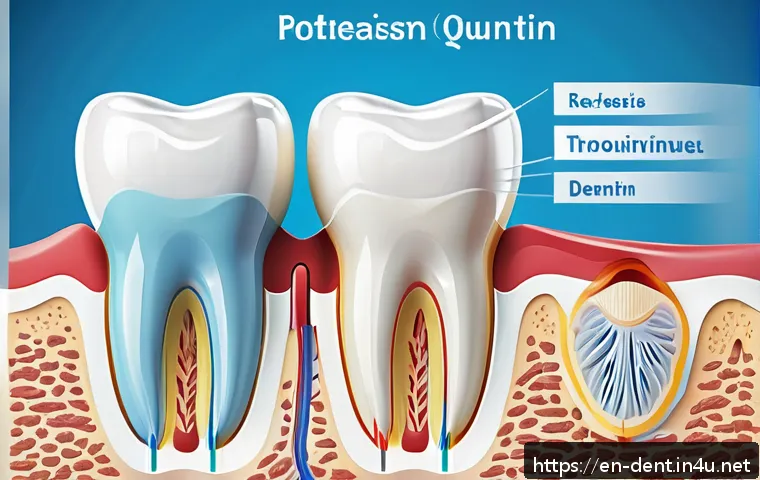
At the heart of tooth sensitivity is the exposure of dentin—the layer beneath the enamel that contains tiny tubules leading to nerves. When enamel thins or gums recede, these tubules become exposed, and stimuli like cold, heat, or pressure trigger nerve responses, causing that sharp pain.
It’s fascinating how such microscopic channels can cause such a big reaction! Understanding this mechanism helps in choosing the right care and products that specifically target these exposed tubules to block pain signals.
Recognizing Early Signs Before It Gets Worse
Sometimes sensitivity starts subtly—maybe a slight discomfort while eating ice cream or brushing—but ignoring it can lead to worsening pain or even cavities.
I’ve seen friends brush off mild sensitivity only to have dental visits filled with complicated treatments later on. Early signs include brief, sharp pains triggered by certain foods, or discomfort when brushing.
Paying attention and addressing these early symptoms can save you from bigger problems down the road.
Choosing the Right Toothpaste and Oral Care Products
Desensitizing Toothpaste: What Makes Them Work?
Desensitizing toothpastes are a game changer for many. They typically contain compounds like potassium nitrate or stannous fluoride, which help block the transmission of pain signals or strengthen enamel.
From personal experience, switching to a toothpaste formulated for sensitivity took a few weeks but brought noticeable relief. It’s all about consistency and giving these ingredients time to build up their protective effect.
Not all toothpastes are created equal, so reading labels carefully is key.
Incorporating Mouthwashes and Fluoride Treatments
Adding a fluoride mouthwash can complement your routine by strengthening enamel and reducing sensitivity. Some specialized mouthwashes also contain ingredients that soothe exposed nerves.
I found that alternating between a gentle fluoride rinse and my desensitizing toothpaste created a solid defense. For those with severe sensitivity, professional fluoride varnishes applied by dentists offer a more potent solution and longer-lasting protection.
Brushing Techniques That Protect Your Teeth
How you brush can make a huge difference. Aggressive scrubbing or using a hard-bristled brush can wear down enamel and worsen sensitivity. Switching to a soft-bristled brush and using gentle, circular motions helps protect gums and enamel.
I personally switched from a hard brush to a soft electric toothbrush with pressure sensors, which not only eased my sensitivity but also improved overall oral health.
Avoid brushing immediately after acidic meals to prevent further enamel erosion.
Diet Tweaks That Help Your Teeth Stay Comfortable
Foods to Avoid and Alternatives to Try
Acidic and sugary foods are notorious for triggering sensitivity. Citrus fruits, soda, wine, and even some sports drinks can erode enamel over time. Cutting back on these doesn’t mean giving up flavor—switching to less acidic fruits like bananas or melons and drinking water instead of soda can protect your teeth without sacrificing enjoyment.
I found replacing my afternoon soda with sparkling water and a splash of juice helped reduce sensitivity without feeling deprived.
Hydration and Saliva’s Role in Protection
Saliva is your mouth’s natural defense, helping neutralize acids and remineralize enamel. Staying well-hydrated supports saliva production, which in turn guards against sensitivity.
Chewing sugar-free gum can also boost saliva flow. I try to keep a water bottle handy throughout the day and chew gum after meals when brushing isn’t possible, which really helped maintain a comfortable mouth environment.
Timing Your Meals and Snacks
When you eat matters too. Grazing on acidic or sugary snacks throughout the day can prolong acid exposure on your teeth. Instead, having meals and spacing out snacks allows your saliva to do its repair work between exposures.
I noticed that by limiting snacking and drinking water after meals, my sensitivity episodes became less frequent and intense.
Professional Interventions That Make a Difference
Dental Sealants and Bonding Techniques
For persistent sensitivity caused by enamel loss or exposed roots, dentists can apply sealants or bonding agents. These materials cover exposed areas and shield nerves from irritants.
I had bonding done on a few sensitive spots, and the relief was almost immediate. It’s a quick, minimally invasive procedure that can save you from chronic discomfort.
Laser Therapy: A Modern Approach
Laser treatments are gaining popularity for managing sensitivity. The laser helps seal dentin tubules and stimulate gum tissue healing, reducing nerve exposure.
It sounds high-tech, but the procedure is surprisingly gentle and fast. After trying conventional methods, I was intrigued by laser therapy and found it provided longer-lasting relief, especially in tough cases where other treatments fell short.
When to Consider Root Canal Therapy
If sensitivity is accompanied by severe, persistent pain or infection, a root canal might be necessary. This procedure removes damaged nerve tissue, eliminating pain at its source.
While it sounds intimidating, modern root canals are much more comfortable than their reputation suggests. It’s a last-resort option but can restore quality of life when other treatments don’t work.
Simple Habits That Support Long-Term Tooth Health
Regular Dental Checkups and Cleanings
Routine visits to your dentist are essential—not just for cleaning but for catching sensitivity issues early. I can’t stress enough how regular checkups helped me identify minor enamel wear before it became painful.
Your dentist can also recommend personalized care and treatments based on your unique needs.
Managing Stress and Teeth Grinding
Stress-induced habits like teeth grinding or clenching can wear down enamel and worsen sensitivity. Using a night guard or practicing relaxation techniques can protect your teeth.
I used to clench my jaw unknowingly, and after getting a custom night guard, my sensitivity dropped significantly. Awareness and proactive care make a big difference.
Maintaining Balanced Oral Hygiene Without Overdoing It
Finding the right balance in oral hygiene is crucial. Overbrushing or using harsh products can backfire, while neglect leads to plaque buildup and gum issues.
I learned to listen to my mouth—gentle brushing twice a day, flossing regularly, and avoiding abrasive products kept my teeth healthy and sensitivity manageable.
Comparing Popular Sensitivity Relief Options
| Method | How It Works | Pros | Cons | Typical Cost |
|---|---|---|---|---|
| Desensitizing Toothpaste | Blocks nerve signals and strengthens enamel | Easy to use, affordable, widely available | May take weeks for effect, not always enough alone | $5 – $15 per tube |
| Fluoride Treatments | Strengthens enamel and reduces tubule exposure | Professional application can be very effective | Requires dental visits, some sensitivity after | $20 – $50 per session |
| Dental Bonding/Sealants | Covers exposed dentin to protect nerves | Immediate relief, minimally invasive | May need reapplication over time | $100 – $400 per tooth |
| Laser Therapy | Seals tubules and promotes gum healing | Long-lasting relief, quick procedure | Availability varies, higher cost | $200 – $600 per session |
| Root Canal | Removes damaged nerve tissue | Eliminates severe pain permanently | Invasive, higher cost, longer recovery | $700 – $1,500 per tooth |
In Closing
Tooth sensitivity can be a surprising and uncomfortable challenge, but understanding its causes and treatment options empowers you to take control. With the right care, products, and professional support, relief is within reach. Remember, early attention makes all the difference in preserving your long-term dental health and comfort.
Helpful Tips to Remember
1. Identify and avoid your personal triggers like acidic foods or extreme temperatures to reduce sensitivity episodes.
2. Use desensitizing toothpaste consistently and consider complementary fluoride treatments for stronger enamel protection.
3. Adopt gentle brushing habits with a soft-bristled brush to prevent enamel wear and gum irritation.
4. Stay well-hydrated and maintain saliva flow, which plays a key role in neutralizing acids and protecting teeth.
5. Regular dental visits are essential for early detection and tailored treatments to keep sensitivity under control.
Key Takeaways
Tooth sensitivity arises mainly from enamel erosion or gum recession exposing dentin and nerve endings. Managing it effectively requires a combination of lifestyle adjustments, proper oral care products, and professional interventions when needed. Early recognition and consistent care not only alleviate pain but also prevent more serious dental issues. Balancing gentle hygiene, mindful diet, and timely dental support creates a solid foundation for lasting comfort and oral health.
Frequently Asked Questions (FAQ) 📖
Q: What causes tooth sensitivity and how can I prevent it?
A: Tooth sensitivity often results from worn enamel, exposed tooth roots, or gum recession, which leaves the dentin vulnerable to hot, cold, sweet, or acidic triggers.
To prevent sensitivity, avoid aggressive brushing with hard-bristled toothbrushes, limit acidic food and drinks, and maintain good oral hygiene. Using toothpaste specifically designed for sensitive teeth can help strengthen enamel and block pain signals.
Regular dental check-ups are crucial, as your dentist can spot early signs and recommend tailored treatments.
Q: Are there effective treatments for tooth sensitivity beyond toothpaste?
A: Absolutely. While specialized toothpaste is a great first step, many people find lasting relief through professional treatments. Dentists can apply fluoride varnishes or sealants to protect sensitive areas.
In more persistent cases, procedures like dental bonding, gum grafts, or even root canal therapy may be necessary. I’ve personally seen how a fluoride treatment at the dentist reduced my sensitivity after years of discomfort.
Combining these treatments with lifestyle adjustments often leads to the best results.
Q: Can sensitive teeth be a sign of a more serious dental problem?
A: Yes, tooth sensitivity can sometimes indicate underlying issues such as cavities, cracked teeth, gum disease, or worn fillings. If your sensitivity is sudden, severe, or accompanied by other symptoms like swelling or persistent pain, it’s important to see a dentist promptly.
Early diagnosis not only addresses discomfort but can also prevent more extensive and costly treatments down the line. Don’t ignore sensitivity—treat it as your mouth’s way of asking for attention.