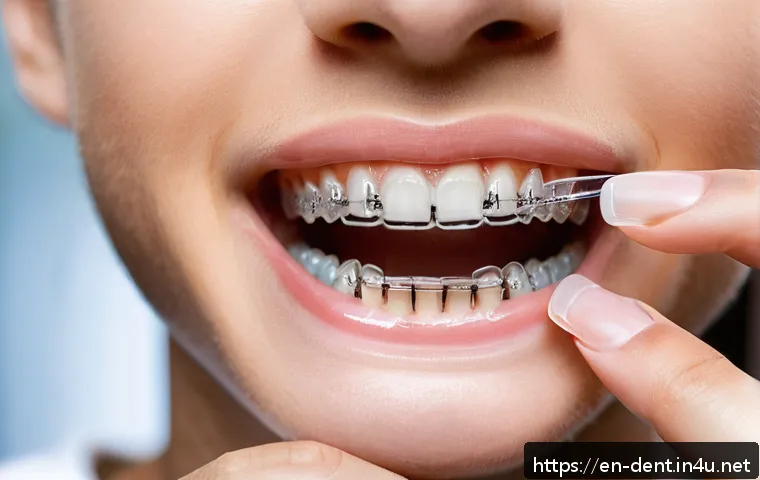
Hey there! If you’re wearing braces, you know how frustrating it can be when a bracket suddenly pops off—especially when you least expect it. With more people focusing on their smile health this year, understanding quick fixes and prevention tips has never been more important.
Whether you’re at home, work, or out with friends, knowing what to do can save you time, discomfort, and extra trips to the orthodontist. Stick around, because I’m sharing practical advice that I’ve personally tested, so you’ll feel confident handling this common hiccup without panic.
Let’s dive into how to keep your orthodontic journey smooth and stress-free!
Handling a Loose Bracket When You’re On the Go
Assessing the Situation Calmly
When a bracket pops off unexpectedly, the first thing I do is try not to panic. It’s easy to feel overwhelmed, especially if you’re out and about, but staying calm helps you think clearly.
I usually check if the bracket is still attached to the wire or completely loose. If it’s still hanging by the wire, it might be less urgent than if it’s completely off.
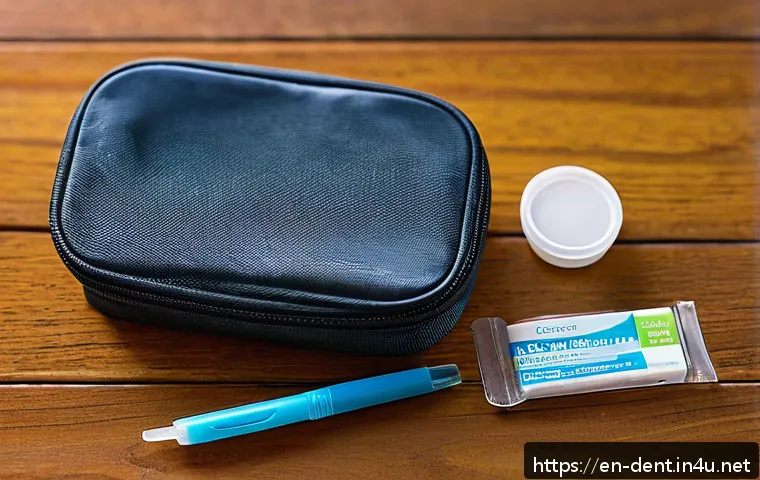
I carry a small orthodontic emergency kit with me—something I highly recommend—which has wax, floss, and a tiny mirror. This allows me to inspect the area without making things worse.
Temporary Fixes You Can Do Anywhere
If the bracket is dangling but still on the wire, applying orthodontic wax over it helps keep it in place and prevents irritation to your cheeks or gums.
When it’s completely off, I try to save the bracket and keep it in a small container, like a pillbox or ziplock bag. This way, I can show it to my orthodontist during the next visit.
Meanwhile, avoiding sticky or hard foods is crucial to prevent further damage. Using dental floss carefully around the affected tooth also prevents additional loosening.
If you don’t have wax handy, sugar-free gum can be a temporary substitute, but only as a last resort.
When to Contact Your Orthodontist
Not all loose brackets require immediate orthodontist visits, but if you experience pain, bleeding, or if the bracket is causing sharp discomfort, calling your orthodontist is a must.
They might give you advice over the phone or schedule a quick appointment. In my experience, some orthodontists offer emergency slots for urgent cases, so it’s worth asking.
Remember, trying to fix it yourself with glue or tape can cause more harm than good, so avoid those DIY fixes.
Preventing Bracket Breakage with Daily Habits
Choosing the Right Foods
One of the biggest culprits for bracket breakage is eating the wrong types of food. From my experience, avoiding hard candies, popcorn kernels, and sticky treats like caramel or chewing gum can drastically reduce the risk.
Crunchy vegetables or tough meats should be cut into smaller, manageable pieces before eating. I also noticed that cold drinks right after hot meals can sometimes make the brackets feel loose due to temperature changes, so I try to avoid extreme temperature swings quickly.
Proper Oral Hygiene Techniques
Keeping your braces clean is essential not just for your teeth but also for the brackets’ longevity. Using an interdental brush and floss threaders makes a world of difference.
I usually brush with a soft-bristled toothbrush at a 45-degree angle to the gum line and around the brackets to remove food debris gently. Skipping this step or brushing too hard can loosen brackets over time, which I learned the hard way early in my treatment.
Regular Orthodontic Check-Ups Matter
Routine visits help catch weak spots before they become emergencies. I try to stick to my scheduled appointments because my orthodontist checks the brackets’ adhesion and tightens wires when needed.
They also provide professional cleanings that reduce plaque buildup, which can weaken the glue holding the brackets. If you notice any discomfort or suspect a bracket is loose before your appointment, don’t wait—call your orthodontist.
Must-Have Items for Your Orthodontic Emergency Kit
Essentials to Carry Daily
From my personal experience, having a small, dedicated kit in your bag or car is a game changer. The basics include orthodontic wax, a small mirror, floss, a pencil with a soft eraser (for pushing wires back), and a tiny container for loose brackets.
This kit saved me multiple times, especially during busy workdays or social events when visiting the orthodontist immediately wasn’t an option.
How to Use Each Item Effectively
Orthodontic wax is excellent for covering sharp edges or loose brackets to prevent sores. The mirror helps you see what’s going on inside your mouth without awkward angles or guesswork.
Floss is vital to keep food particles from getting stuck and aggravating a loose bracket. The pencil eraser is surprisingly handy for gently pushing a poking wire back into place without hurting yourself.
Keeping a small container ensures you don’t lose any detached brackets, which your orthodontist will need for repairs.
Additional Tips for Emergencies
If you find yourself without an emergency kit, don’t panic. Using clean fingers or a cotton swab to apply wax or reposition wires can work temporarily.
Avoid using household glue or other adhesives as they are harmful and can interfere with orthodontic treatment. Always prioritize calling your orthodontist for professional guidance.
Over time, you’ll get better at managing these hiccups quickly and confidently.
Understanding Why Brackets Come Off Unexpectedly
Common Causes Behind Loose Brackets
From what I’ve learned, brackets usually come off because of a combination of factors. Eating hard or sticky foods is the most common cause, but habits like nail biting or chewing on pens can also weaken the bond.
Sometimes, improper brushing techniques or aggressive flossing can loosen brackets, especially if your enamel is sensitive. Even accidental trauma, like getting hit in the mouth during sports, can cause brackets to pop off.
How Orthodontic Glue Works and Its Limitations
The adhesive used to attach brackets is strong but not invincible. It’s designed to withstand normal chewing forces but isn’t meant to hold up against extreme pressure or sticky substances.

Over time, the glue can wear down, especially if oral hygiene isn’t maintained properly. I’ve noticed that brackets on molars tend to come off more often since those teeth handle more chewing force.
Understanding this helps you be more cautious around those areas.
Recognizing Signs Before a Bracket Falls Off
Sometimes, you can feel or see small changes before a bracket completely detaches. A bracket might feel loose or wiggle slightly when you touch it with your tongue or brush.
You might also notice slight gaps between the bracket and the tooth or increased discomfort around that spot. Catching these early signs allows you to take precautionary measures, like applying wax or scheduling a quick orthodontic checkup, which can save you from bigger problems later.
Foods to Avoid and Safe Alternatives During Braces
Foods That Commonly Cause Bracket Damage
Hard candies, nuts, popcorn, ice, and sticky sweets are notorious for damaging braces. These foods apply too much pressure or stick to the brackets, pulling them off.
I once learned the hard way when biting into an apple without cutting it into slices—I ended up with a loose bracket and had to rush to my orthodontist.
Chewing gum is another no-go because it easily gets stuck and creates a sticky mess.
Braces-Friendly Snack Ideas
Instead of risking damage, I switched to softer snacks like yogurt, mashed potatoes, smoothies, and cooked vegetables. Soft fruits such as bananas, berries, and peeled peaches are also great choices.
When I crave something crunchy, I opt for thinly sliced cucumbers or carrots that are easy to chew. These alternatives satisfy cravings without putting my braces at risk.
Table: Safe vs. Unsafe Foods for Braces
| Unsafe Foods | Why to Avoid | Safe Alternatives |
|---|---|---|
| Hard candies | Can crack or dislodge brackets | Soft fruit candies or gummies (in moderation) |
| Popcorn | Kernels can get stuck and pull off brackets | Air-popped popcorn without kernels |
| Sticky caramel or gum | Sticks to brackets and wires, causing damage | Smoothies, yogurt, pudding |
| Raw apples or carrots (whole) | Too hard to bite, risks breaking brackets | Sliced or cooked apples and carrots |
| Ice cubes | Hard and can crack brackets | Cold drinks without ice |
Dealing with Discomfort from Loose Brackets
Managing Pain and Irritation
When a bracket loosens, the sharp edges often irritate your cheeks or gums. I found that orthodontic wax is a lifesaver here—it creates a smooth barrier that stops the metal from rubbing painfully.
Over-the-counter pain relievers like ibuprofen can also help with soreness. Warm saltwater rinses soothe inflammation and speed up healing if your gums are raw.
I usually rinse several times a day to keep discomfort manageable.
Adjusting Your Oral Care Routine Temporarily
A loose bracket means you need to be extra gentle while brushing and flossing around that area. Using a soft toothbrush and avoiding vigorous scrubbing helps prevent further loosening.
Floss threaders or water flossers are great tools that I personally use to clean between teeth without pulling on brackets. This helps maintain good oral hygiene without aggravating the issue.
When to Seek Professional Help for Pain
If pain persists despite home care, or if you notice swelling, bleeding, or signs of infection, it’s important to see your orthodontist immediately. Persistent pain could indicate that the bracket is causing damage underneath or that wires have shifted dangerously.
Getting professional attention early prevents more serious complications and keeps your treatment on track.
In Conclusion
Dealing with a loose bracket while on the go can feel stressful, but staying calm and prepared makes all the difference. Having a small emergency kit and knowing simple temporary fixes can save you from discomfort and further damage. Remember, timely communication with your orthodontist ensures smooth treatment progress. With the right habits and care, you can minimize bracket breakage and enjoy your orthodontic journey with confidence.
Helpful Tips to Keep in Mind
1. Always carry a compact orthodontic emergency kit that includes wax, floss, and a small mirror for quick inspections and fixes.
2. Avoid hard, sticky, or crunchy foods that can easily damage brackets and wires—opt for braces-friendly snacks instead.
3. Maintain gentle but thorough oral hygiene by using soft brushes, floss threaders, and interdental brushes to protect your brackets.
4. Pay attention to early warning signs like loose or wiggling brackets to prevent bigger issues by scheduling prompt orthodontic visits.
5. Never attempt DIY repairs with household adhesives; always seek professional advice to avoid complications.
Key Takeaways for Managing Loose Brackets
Loose brackets are a common part of orthodontic treatment but can be managed effectively with the right approach. Staying calm, using orthodontic wax, and avoiding harmful foods can reduce discomfort and prevent worsening damage. Routine orthodontic check-ups are essential for early detection and repair, ensuring your treatment stays on track. Preparing an emergency kit and knowing when to contact your orthodontist will help you handle unexpected issues confidently and safely.
Frequently Asked Questions (FAQ) 📖
Q: uestions about Bracket Popping OffQ1: What should I do immediately if a bracket pops off my braces?
A: First, don’t panic—this happens more often than you might think. If the bracket is still attached to the wire and causing discomfort, try to gently push it back into place using a clean cotton swab or a pencil eraser until you can see your orthodontist.
If it’s completely loose, keep it safe and avoid eating hard or sticky foods that might worsen the situation. Using orthodontic wax over the area can help prevent irritation to your cheeks or gums until your appointment.
Q: Can I fix a popped-off bracket myself at home?
A: While it’s tempting to try a quick DIY fix, it’s best to avoid gluing or reattaching the bracket yourself. Orthodontic brackets are precisely placed for your treatment plan, and improper fixes can disrupt tooth movement or cause damage.
The safest approach is to manage any discomfort with wax and soft foods, then schedule a professional repair. From my experience, rushing a home fix only made things worse and delayed my progress.
Q: How can I prevent brackets from popping off in the future?
A: Prevention is all about being mindful of what you eat and how you care for your braces. Avoid hard, crunchy, or sticky foods like nuts, popcorn, caramel, and chewing gum, as these are common culprits for dislodging brackets.
Also, practice gentle brushing and flossing techniques to keep your braces intact. When I switched to softer snacks and took my time cleaning my teeth, I noticed fewer issues and less emergency visits.
Remember, following your orthodontist’s advice closely is the best way to keep your smile journey smooth.