Preventive pediatric dental care can include exams, cleanings, fluoride, sealants, X-rays when appropriate, and home-care guidance. Learn what each service does, what may affect costs, and how to compare dental offices.
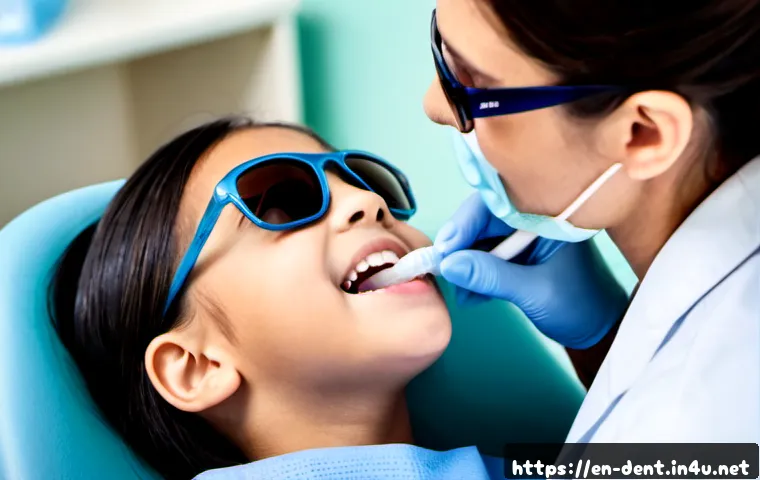
Preventive pediatric dental care usually includes an oral exam, risk assessment, cleaning when appropriate, and guidance for daily home care. Depending on a child’s cavity risk, age, development, and local water fluoride exposure, a dentist may also discuss fluoride treatment, sealants, or X-rays.
The best routine schedule is not identical for every child, so it helps to compare offices on their prevention approach rather than choosing on price alone.
Insurance network status, deductibles, annual maximums, and local fees can all affect out-of-pocket costs. Parents can make booking easier by asking what is included in a first visit and how the office handles coverage estimates.
A dental home should be established by a child’s first birthday or within six months after the first tooth erupts.
At a Glance
- Core preventive care commonly includes an oral exam, risk review, cleaning when appropriate, and practical guidance on brushing, diet, fluoride, and injury prevention.
- Fluoride, sealants, and X-rays are not automatic for every child; recommendations should reflect clinical need and cavity risk.
- Costs vary with insurance benefits, in-network status, deductibles, annual maximums, local fees, and the services recommended.
| Preventive Service | What It Is For | Key Decision Factors | Insurance Question to Ask |
|---|---|---|---|
| Oral exam and risk assessment | Checks oral health and helps guide prevention planning. | Age, development, past dental concerns, and cavity risk. | Is the exam covered as preventive care, and is the office in-network? |
| Cleaning | Supports routine oral hygiene when appropriate. | Child’s oral condition and the dentist’s clinical assessment. | Is cleaning included in the preventive benefit, and are there plan limits? |
| Fluoride treatment | May be recommended to support cavity prevention. | Cavity risk and local water fluoride exposure. | Does the plan cover fluoride treatment, and are age or network rules involved? |
| Dental sealants | Protective coatings mainly placed on chewing surfaces of permanent molars to help reduce decay risk. | Permanent molar development and individual decay risk. | Are sealants covered, and does the plan have tooth- or age-specific conditions? |
| Dental X-rays | May help assess concerns not visible during an exam. | Clinical need, age, development, and cavity risk. | What imaging benefit applies, and does the plan require a network provider? |
What Preventive Dental Care Usually Includes for Children
The Quick Answer: Exams, Cleaning, Risk Review, and Prevention Planning
A preventive pediatric dental visit is more than a quick look at teeth. It commonly includes an oral exam, a review of cavity risk, cleaning when appropriate, and guidance for parents and children. The discussion may cover brushing, diet, fluoride exposure, and ways to help prevent dental injuries.
The exact visit plan can differ from one child to another. A child with no known concerns may need a different recall schedule than a child with previous cavities, orthodontic appliances, or other risk factors. Ask the office how it determines recall timing and which services may be considered during the appointment.
Why Prevention Is More Than a Routine Cleaning
Cleaning is only one part of prevention. A risk review gives the dentist a chance to consider whether a child may benefit from added monitoring, fluoride discussion, sealants, or home-care adjustments. This approach can help families understand why a particular recommendation is being made instead of assuming every child needs the same set of services.
For parents comparing a pediatric dentist with a general dental office, a useful question is whether the practice explains its preventive philosophy in plain language. Clear explanations can make it easier to evaluate appointment recommendations, insurance estimates, and follow-up plans.
When to Schedule a Child’s First Dental Visit
The American Academy of Pediatric Dentistry recommends establishing a dental home by a child’s first birthday or within six months after the first tooth erupts. Starting early can give caregivers a place to ask questions about daily care and prevention planning.
When booking, let the office know the child’s age and whether there are concerns such as visible changes in teeth, difficulty with brushing, or anxiety about the appointment. The office can explain what to expect and whether any preparation is useful.
Comparing Preventive Services: Fluoride, Sealants, Cleanings, and X-Rays
What Each Service Is Designed to Prevent or Detect
Fluoride treatments may be recommended based on cavity risk and local water fluoride exposure. Dental sealants are protective coatings placed mainly on the chewing surfaces of permanent molars to help reduce decay risk. A cleaning, when appropriate, supports routine professional prevention, while an exam and risk assessment guide the overall plan.
Dental X-rays are different from standard preventive steps because they are not automatically needed at every visit. Their timing should be based on clinical need, the child’s age and development, and cavity risk. A practice should be able to explain the reason imaging is being considered.
Which Recommendations Depend on Cavity Risk
Children do not all have the same oral-health risk. Previous cavities or early signs of enamel weakness may lead to a conversation about closer monitoring or additional preventive options. Children with orthodontic appliances, special health needs, dry-mouth concerns, or difficulty maintaining daily oral care may also need a more tailored approach.
A useful comparison point is whether the dentist reviews the child’s individual history before recommending fluoride, sealants, X-rays, or a recall interval. Avoid assuming that a service recommended for one sibling, friend, or classmate is automatically appropriate for another child.
Questions to Ask Before a Treatment Is Provided
Parents do not need to decide blindly. Ask what the service is intended to do, why it is being recommended now, and whether there are reasonable alternatives or timing considerations. If costs matter, ask whether the office can provide a benefit estimate before the service is provided.
- What oral-health risk factor supports this recommendation?
- Is this service preventive, diagnostic, or both?
- Will my dental insurance apply differently if the office is out of network?
- Are there deductibles, annual maximums, or plan restrictions to review?
- When should we revisit this decision if we choose to wait?
Costs, Dental Insurance, and the Value of Early Prevention
Why Prices Vary Between Practices and Locations
There is no single price for a pediatric dental exam, cleaning, fluoride treatment, sealants, or imaging. Local fees, the services included in the appointment, and a child’s individual care needs can affect the total. A first visit may also differ from a routine recall visit because the dentist may need to complete a fuller risk review.
When comparing dental offices, request a clear explanation of what is expected to be included. This is more useful than comparing a headline price without knowing whether an exam, cleaning, fluoride discussion, or imaging is part of the estimate.
In-Network Versus Out-of-Network Considerations
In-network status can affect what a family pays, but it is not the only factor worth comparing. Confirm whether the office participates with your specific dental insurance plan, not simply whether it “accepts insurance.” Those phrases can mean different things.
If an office is out of network, ask how claims are handled and what portion of the bill may remain your responsibility. If an office is in network, still review the benefit details because coverage may depend on the service, plan rules, deductible, and annual maximum.
How to Review Benefits, Deductibles, and Annual Limits
Before booking, check your plan’s preventive dental benefits and ask the office what information it needs to verify coverage. Review the deductible, annual maximum, network rules, and any service-specific limitations. A coverage estimate can be helpful, but final responsibility and coverage should be confirmed with the insurer and dental office.
For dental plan comparisons, look beyond the monthly premium or a single advertised benefit. Consider whether the plan’s provider network includes a convenient pediatric dentist, how preventive services are described, and how the annual limit may affect the family’s overall dental budget.
Preparing for Visits and Avoiding Common Preventive-Care Mistakes
What Parents Can Bring and Ask at an Appointment
Bring insurance information, any relevant dental history, and a short list of questions. If the child has had cavities, has an orthodontic appliance, is anxious about dental care, or has health-related concerns that may affect visits, mention this when scheduling and again at the appointment.
Ask the dentist to explain the child’s current risk level, suggested recall timing, and home-care priorities. A simple written summary of recommended services and expected costs may also make later insurance review easier.
Home Habits That Support Professional Prevention
Professional visits work alongside daily care. Parents can ask for age-appropriate guidance about brushing, diet, fluoride, and injury prevention. The most useful advice is specific enough to fit the child’s routine rather than a generic checklist that is hard to maintain.

If a child is wearing orthodontic appliances or struggles with brushing, ask which areas deserve extra attention. Small practical changes at home can support the plan discussed during the visit.
Mistakes to Avoid With Brushing, Sugary Drinks, and Delayed Care
Common mistakes include delaying the first dental visit, skipping the risk discussion, and assuming that every child needs the same recall schedule. It is also easy to focus only on cleaning while overlooking the role of home habits, diet guidance, and preventive planning.
Do not wait for a routine visit to mention a concern. Contact the dental office if you notice something that worries you, and ask whether the child should be seen sooner. The appropriate response depends on the individual situation.
When a Child May Need More Frequent Monitoring
Previous Cavities or Early Signs of Enamel Weakness
A child with previous cavities or early signs of enamel weakness may need closer monitoring than a child with lower apparent risk. The dentist can assess whether recall timing, fluoride discussions, sealants, or home-care guidance should be adjusted.
The key point is not to self-select a schedule based on assumptions. Ask what risk factors the dentist is seeing and what change in the care plan is meant to address.
Orthodontic Appliances, Special Health Needs, and Dry-Mouth Concerns
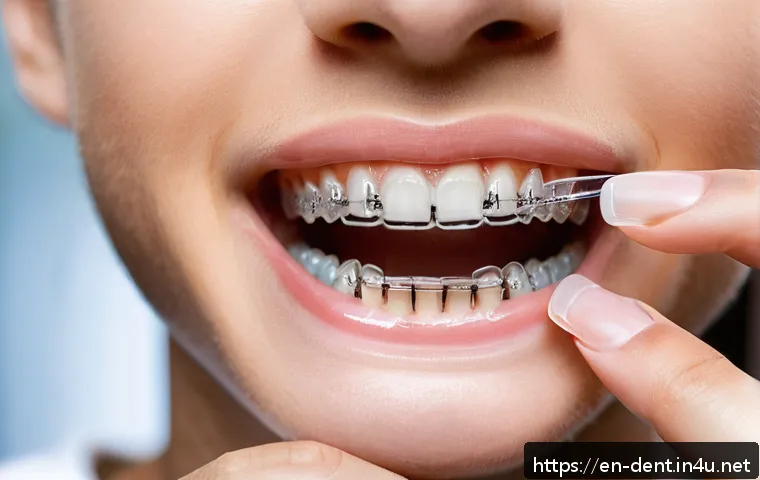
Orthodontic appliances can make routine cleaning more challenging for some children. Special health needs or dry-mouth concerns may also call for an individualized visit approach. These situations do not automatically mean a particular treatment is needed, but they are important details to share with the dental team.
When comparing offices, ask whether the practice is prepared to adapt communication, appointment pacing, and preventive guidance to the child’s needs.
Dental Anxiety and Finding a Child-Friendly Visit Approach
Dental anxiety can make preventive care harder to maintain if appointments become stressful. Look for an office that explains how it introduces children to visits, communicates with caregivers, and supports comfort during routine care.
A child-friendly approach is not just about a waiting room. It includes clear communication, realistic expectations, and a willingness to tailor the visit when a child is nervous or has developmental needs.
Choosing a Pediatric Dentist: Selection Criteria and Comparison Summary
Training, Communication Style, and Comfort-Focused Options
Start with the dentist’s approach to children’s preventive care. Ask how the practice handles risk assessments, parent education, anxious children, and different developmental needs. A strong fit is often an office that explains recommendations clearly and welcomes practical questions about timing, insurance, and home care.
Service Availability, Scheduling, and Emergency Policies
Convenience matters because regular care is easier to maintain when scheduling works for the family. Compare appointment availability, location, communication methods, and the office’s policy for urgent dental concerns. Also ask whether the practice provides the preventive services your child may need or refers patients elsewhere for certain care.
A Final Checklist for Comparing Cost, Coverage, and Preventive Philosophy
Use the same questions for each office so the comparison stays practical. Confirm whether the dentist is in network, what the office can verify about benefits, how estimates are provided, and how the team decides when fluoride, sealants, or X-rays are appropriate.
Selection Criteria and Comparison Summary
Before booking, compare these decision points:
- Dental home timing: Can the office see your child around the first birthday or within six months of the first tooth erupting?
- Risk-based care: Does the dentist explain why a service or recall schedule is recommended?
- Insurance fit: Is the office in network for your exact plan, and what benefits or restrictions may apply?
- Cost clarity: Can the office explain expected charges, deductibles, annual maximums, and possible out-of-pocket costs?
- Child comfort: Does the practice have a communication style and visit approach that suits your child?
- Practical access: Are scheduling, location, and urgent-care policies workable for your family?
Check the dental office’s official insurance and appointment information page for current network participation and service details before making a final choice.
In Closing
Preventive pediatric dental care is most useful when it is based on the child’s individual risk rather than a one-size-fits-all routine. Exams, cleanings when appropriate, fluoride discussions, sealants, and X-rays each have a different role. A clear conversation with the dental office can help you understand both the care recommendation and the possible insurance impact. Choosing an office that communicates well may make routine prevention easier to maintain.
Helpful Things to Know
1. A dental home is recommended by the first birthday or within six months after the first tooth erupts.
2. Fluoride recommendations may depend on cavity risk and local water fluoride exposure.
3. Sealants are mainly placed on the chewing surfaces of permanent molars.
4. X-rays are based on clinical need, age, development, and cavity risk rather than being automatic at every visit.
Important Considerations
This information is general and cannot determine which preventive services, recall schedule, or dental office is right for a particular child. Coverage, network rules, local fees, and treatment recommendations can vary. Confirm individual clinical recommendations with the child’s dentist and verify benefit details directly with the dental insurer and dental office.
Frequently Asked Questions
Q1. What preventive dental services does a pediatric dentist usually offer?
A1. Preventive visits commonly include an oral exam, risk assessment, cleaning when appropriate, and guidance on brushing, diet, fluoride, and injury prevention. Depending on the child’s needs, the dentist may also discuss fluoride treatment, dental sealants, or X-rays.
Q2. Are fluoride treatments and dental sealants safe for children?
A2. Fluoride treatments and sealants are preventive options that may be recommended for children based on individual cavity risk and other clinical factors. Ask the dentist why the service is being suggested for your child, what it involves, and whether there are any child-specific considerations to review.
Q3. How much does preventive pediatric dental care cost with or without insurance?
A3. Exact costs vary by location, dental office, recommended services, insurance benefits, deductible, annual maximum, and network status. Ask the office for an estimate and verify preventive coverage details with your dental insurance plan before the appointment.