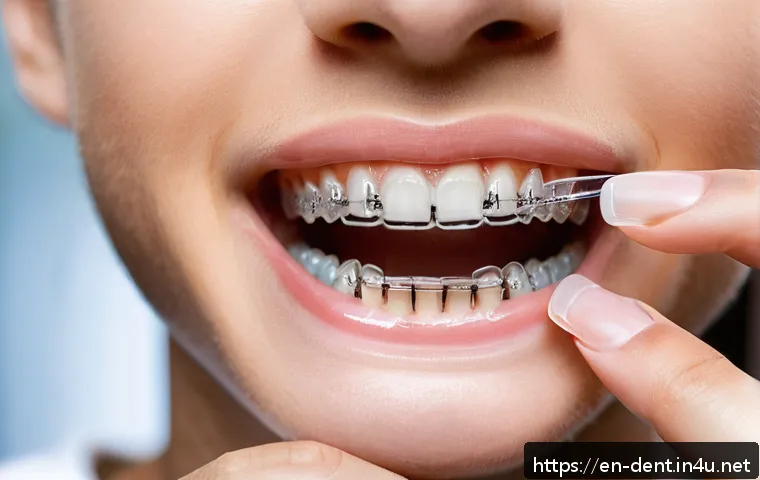
Braces, clear aligners, and retainers can temporarily affect speech, especially sounds such as “s,” “z,” “sh,” “ch,” “j,” and “th.” For most people, the change is an adjustment issue rather than a lasting problem, but it is worth discussing before choosing an orthodontic appliance.
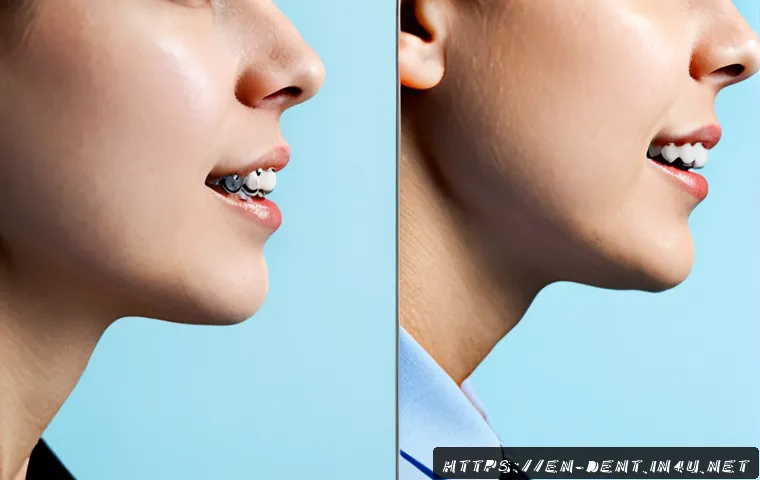
Clear aligners may cause a temporary lisp, while fixed braces and palate-covering retainers can change how the tongue and lips move around the teeth. If you speak often at work, school, or in public, ask how your proposed treatment plan may affect speaking during the early stages.
Comparing orthodontic treatment options should include clinical fit, comfort, visibility, follow-up needs, treatment pricing, insurance coverage, and payment-plan terms.
Orthodontics may help when tooth position or bite alignment contributes to speech, but it does not guarantee a solution for every speech concern.
At a Glance
- Speech changes can happen when braces, clear aligners, or retainers create a new surface for the tongue, lips, and teeth.
- Most early changes are temporary, but sounds requiring precise tongue placement may feel different at first.
- Discuss speech needs before treatment if you present, teach, take calls, perform, or speak publicly on a regular basis.
| Option | Possible Speech Adjustment | Visibility and Removability | Monitoring Needs | Cost Discussion Prompt |
|---|---|---|---|---|
| Fixed braces | The lips and tongue may need to adapt around brackets and teeth. | Visible and not removable by the wearer. | Requires scheduled orthodontic follow-up visits. | Ask what the written treatment estimate includes and whether payment-plan options are available. |
| Clear aligners | Some wearers notice a temporary lisp, particularly at the beginning of a new treatment stage. | Less visible and removable, but should be worn as directed. | Requires monitoring and adherence to the prescribed plan. | Ask about total treatment pricing, insurance coverage, and any financing terms. |
| Retainers | Retainers that cover the palate may affect pronunciation during adjustment. | May be removable or fixed, depending on the design. | Follow-up needs depend on the retainer and treatment plan. | Ask whether retainer costs and replacement terms are included in the estimate. |
The Short Answer: Orthodontic Treatment Can Change Speech Temporarily
Orthodontic appliances can affect articulation because they change the surfaces your tongue, lips, and teeth work around while you speak. This does not automatically mean the appliance is unsuitable. It means your mouth may need time and regular use to adapt.
Why the Tongue, Lips, and Teeth Need Time to Adapt
Speech relies on precise contact and airflow. When brackets are attached to teeth, when an aligner covers the teeth, or when a retainer sits against the palate, familiar tongue movements can feel different. Your lips may also move differently around the front teeth. Adaptation is individual, so the exact degree and duration of change cannot be predicted in advance for every person.
Sounds Most Likely to Feel Different at First
Speech changes are often more noticeable with sounds that require careful tongue placement. These can include “s,” “z,” “sh,” “ch,” “j,” and “th.” A person may hear a slight lisp or find that certain words require more concentration. This can be especially noticeable during presentations, phone calls, classroom participation, or social conversations where clear speech matters to the wearer.
When Speech Changes Are Usually Temporary and When to Ask for Help
Early pronunciation changes can be part of adjusting to treatment. Regular speaking practice may help the mouth become familiar with the appliance. However, contact the orthodontic office if speech difficulty remains concerning to you, becomes difficult to manage, or seems connected to discomfort or a problem with the appliance. Persistent speech concerns may also deserve assessment from both an orthodontist and a speech-language professional.
Braces, Clear Aligners, and Retainers: Which May Affect Speech Most?
No single appliance is speech-neutral for every person. The right comparison is not simply “braces versus aligners.” It is whether the proposed appliance is clinically appropriate for your teeth and bite, and how its features fit your daily speaking needs.
Fixed Braces and Tongue-to-Tooth Contact
Fixed braces can alter how the lips and tongue move around the teeth because brackets and wires create a new surface. Some people notice a difference when producing sounds near the front teeth. Many adapt through normal conversation and regular speaking practice, but braces cannot be removed for an important meeting or event.
Clear Aligners and Temporary Lisps
Clear aligners cover the teeth and may create a temporary lisp for some wearers. This may be more noticeable when starting treatment or beginning a new treatment stage. Because aligners are removable, it can be tempting to take them out whenever speaking feels awkward. Still, wearing aligners as directed is important for following the treatment plan. Ask your orthodontist how to handle speech-sensitive situations without repeatedly interrupting prescribed wear.
Palatal Retainers and Pronunciation Adjustment
Retainers can also affect speech, especially designs that cover the palate. The tongue may initially need to adjust to the new shape and contact point. Do not attempt to bend, trim, or self-adjust a retainer to change your speech. A fit concern should be reviewed by the orthodontic office.
Comparison Table: Speech Impact, Convenience, Follow-Ups, and Treatment Considerations
The table above gives a practical starting point, but it is not a substitute for an orthodontic consultation. A clear aligner may look appealing for a public-facing role, while fixed braces may be recommended because they better fit a particular treatment need. Appearance should not be the only deciding factor, and neither option can promise a specific speech outcome.
Can Straightening Teeth Improve Speech?
Tooth position and bite alignment can influence speech, but orthodontic treatment is not a guaranteed speech treatment. A useful consultation separates what orthodontic care may address from what may need another type of evaluation.
When Bite Position or Tooth Spacing May Play a Role
The position of teeth and the way the bite comes together can influence how the tongue and lips form sounds. In some situations, tooth spacing or bite alignment may be relevant to speech. Whether that is a main cause of an individual concern requires professional assessment rather than a general comparison of braces and aligners.
Why Orthodontics Is Not a Guaranteed Speech Treatment
Speech concerns can be related to tooth position, jaw structure, tongue posture, hearing, or other factors. For that reason, even a well-planned orthodontic treatment does not guarantee correction of a lisp or another pronunciation difficulty. Be cautious of treatment claims that imply a predictable speech result without evaluating the specific concern.
When Orthodontic and Speech Evaluations May Both Be Useful
If speaking difficulty continues, began before orthodontic treatment, or does not seem limited to appliance adjustment, it may be useful to discuss both orthodontic and speech-language evaluation. This approach can help clarify whether tooth and bite factors are involved and whether speech-focused support may also be appropriate.
How to Adjust More Comfortably During Treatment
Small, consistent habits can make the adjustment period feel more manageable. The goal is not to force your speech to sound perfect immediately, but to give your mouth regular opportunities to adapt safely.
Read Aloud and Practice Challenging Sounds
Read aloud in a normal speaking voice. Practice words containing “s,” “z,” “sh,” “ch,” “j,” and “th” if those sounds feel unfamiliar. A short practice session before a call, class, or presentation may help you feel more prepared. Avoid turning this into a painful or stressful exercise; comfort and consistent exposure matter more than pushing too hard.
Wear Aligners as Directed Rather Than Repeatedly Removing Them for Conversations
If you use clear aligners, follow the wear instructions provided by your orthodontic office. Removing them repeatedly for routine conversations may interfere with the intended treatment routine. If your job involves frequent speaking, presentations, or client calls, raise that point before selecting an appliance and ask for guidance that matches your treatment plan.

Avoid Self-Adjusting Appliances or Delaying Follow-Up Appointments
Do not alter braces, aligners, or retainers on your own to change the way you speak. An appliance that feels unusual may still be functioning as planned, while a true fit issue needs professional review. Keeping scheduled follow-up appointments gives you a chance to discuss comfort, articulation, hygiene, and treatment progress.
Signs That Warrant a Call to the Orthodontic Office
Call the office if speech changes remain troubling, if the appliance seems damaged or poorly fitting, or if you have concerns you cannot resolve with normal adjustment. It is also reasonable to call if a speech-sensitive work or school obligation is approaching and you need advice about your treatment routine.
Choosing the Right Orthodontic Option: Value, Comfort, and Cost Questions
Choosing between braces and clear aligners should begin with clinical suitability. Once you understand which options may fit your orthodontic needs, compare how each one handles visibility, removability, hygiene, follow-up appointments, and possible speech adjustment.
Questions to Ask About Speech-Sensitive Work or Public Speaking
- Which treatment options are clinically appropriate for my teeth and bite?
- Could this appliance temporarily affect sounds that require precise tongue placement?
- What should I expect if I regularly speak in meetings, classrooms, calls, or presentations?
- What should I do if I notice a lisp or pronunciation change after starting treatment?
- When should I contact the office instead of waiting for further adjustment?
Comparing Treatment Estimates, Insurance Coverage, and Payment Plans
A treatment decision is easier when the financial details are written clearly. Request a written treatment estimate and ask what it includes. Confirm potential insurance coverage directly with the appropriate provider or insurer, since contribution and eligibility can vary. If payment plans are offered, review the terms carefully and ask which follow-up visits, retainers, or other items are included or handled separately.
Choosing Based on Clinical Fit Rather Than Speech Concerns Alone
Clear aligners may be attractive because they are removable and less visible, but they can still affect speech temporarily. Fixed braces may be more noticeable, yet they may be a clinically suitable option for a particular plan. The best choice is the one that balances your orthodontic needs with your ability to follow the treatment requirements, maintain hygiene, attend monitoring visits, and manage daily communication.
Key Takeaways Before Starting Treatment
A Practical Decision Checklist for Consultations
- Explain any existing lisp, pronunciation concern, or public-speaking requirement.
- Ask which appliances are clinically appropriate before comparing appearance alone.
- Ask how braces, aligners, or retainers may affect daily speech during adjustment.
- Request a written treatment estimate and review insurance coverage and payment-plan terms.
- Ask what follow-up visits and retainer arrangements are included in the proposed plan.
What to Monitor During the First Weeks of Treatment
Notice which sounds feel different, whether speech becomes more comfortable with regular use, and whether the appliance seems to fit as expected. Keep the orthodontic office informed about concerns rather than changing the appliance yourself. If a speech issue is persistent or existed before treatment, consider whether an orthodontic review and a speech-language evaluation may both be useful.
Selection Criteria and Comparison Summary
Before deciding, compare these practical points: clinical fit for your teeth and bite, likely speech adjustment, visibility, removability, hygiene routine, follow-up needs, and the full written treatment estimate. If speaking clearly is central to your work or school life, say so during the consultation instead of assuming one option will have no effect. Review insurance coverage and payment-plan conditions before committing. For official treatment details and financial terms, check the provider’s information page or request them in writing.
Closing Thoughts
Speech changes with orthodontic treatment can be noticeable, but they are often part of adapting to a new appliance. Braces, clear aligners, and retainers each affect the mouth differently, so a personal discussion is more useful than a one-size-fits-all promise. Choose an option based on clinical recommendations as well as your communication routine and budget questions. Scheduling an orthodontic consultation and requesting a written treatment estimate can make the comparison clearer.
Useful Information to Keep in Mind
1. Clear aligners can cause a temporary lisp; they are not automatically speech-free.
2. Retainers that cover the palate may also change pronunciation during adjustment.
3. Regular speaking practice can help with adaptation.
4. Do not self-adjust braces, aligners, or retainers.
5. Ongoing speech difficulty may need input from both orthodontic and speech-language professionals.
Important Considerations
This information cannot predict how long speech adjustment will last for a specific person or whether a particular appliance will improve an existing speech difficulty. Speech concerns may involve tooth position, jaw structure, tongue posture, hearing, or other factors. Treatment cost, insurance contribution, financing availability, and eligibility must be confirmed with the orthodontic provider and relevant insurer.
Frequently Asked Questions
Q1. How long does it take to speak normally with braces or clear aligners?
A1. The adjustment experience varies by person and appliance. Speech changes can be temporary, but the exact length and severity cannot be predicted for an individual. If the difficulty remains concerning, contact the orthodontic office for advice.
Q2. Are clear aligners better than braces for people who speak publicly at work?
A2. Not necessarily. Clear aligners are less visible and removable, but some wearers experience a temporary lisp, especially when beginning a new treatment stage. Fixed braces can also affect articulation. Ask which option is clinically appropriate and discuss your public-speaking needs during the consultation.
Q3. Can orthodontic treatment fix a lisp or other speech problem?
A3. Orthodontic treatment may be relevant when tooth position or bite alignment contributes to speech, but it does not guarantee correction of every speech concern. Persistent issues may need assessment from an orthodontist and a speech-language professional.
Q4. Should I ask about speech concerns before choosing an orthodontist or treatment plan?
A4. Yes. Mention any existing pronunciation concern, frequent presentations, teaching, phone-based work, or other speech-sensitive needs. Ask about appliance options, follow-up visits, written treatment estimates, insurance coverage, and payment-plan terms before making a decision.